

Have you ever noticed your vision getting blurry after spending hours on your computer? Maybe your eyes feel tired by the end of the day, or you find yourself blinking several times just to see clearly again.
You might assume you need new glasses, but the problem could actually be dry eye disease. Dry eye doesn’t always cause a dry sensation. For some people, blurry or fluctuating vision is one of the first symptoms.
The good news is that most vision changes caused by dry eye are temporary and can improve with appropriate treatment. However, severe dry eye can sometimes damage the surface of the eye, making early diagnosis and treatment important.
Why Does Dry Eye Cause Blurry Vision?
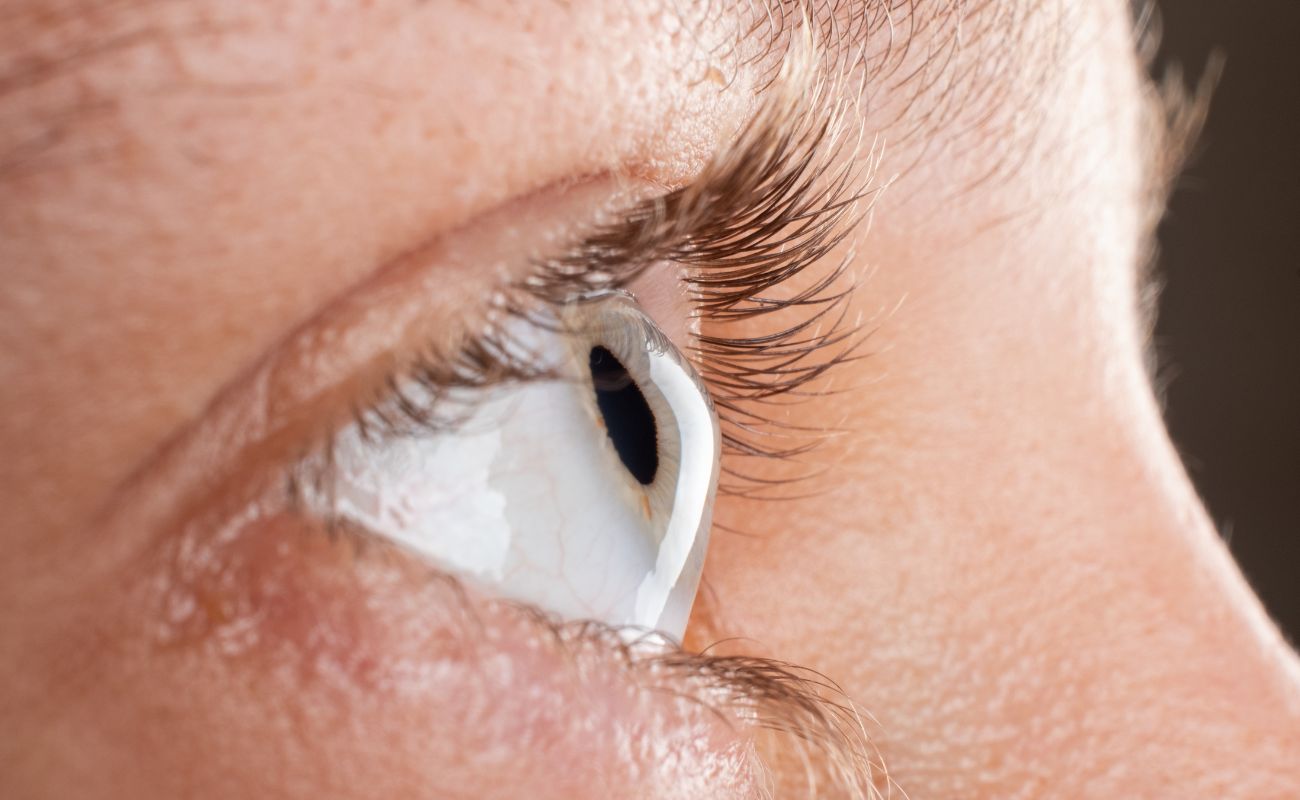
Your tears do much more than keep your eyes comfortable. They also play an essential role in helping you see clearly. Every time you blink, a thin layer of tears spreads across the front of your eye. This is called the tear film.
Think of your tear film like a clean windshield. When it’s smooth and even, you can see clearly through it. But when it becomes uneven or develops dry spots, your vision can appear blurry or distorted. The same thing happens with dry eye disease.
When your eyes don’t produce enough tears, or when your tears evaporate too quickly, the surface of your eye becomes less smooth. Light no longer focuses as consistently, causing your vision to fluctuate. This explains why you might see clearly one moment and experience blurry vision the next.
Blurry Vision That Comes and Goes
One of the most common visual symptoms of dry eye is fluctuating vision.
You may notice that:
• Your vision becomes blurry after reading or using a computer.
• Blinking temporarily makes things clearer.
• Your vision gets worse toward the end of the day.
• Your eyes feel tired even when your glasses prescription is correct.
• Your vision seems clearer on some days than others.
These changes occur because your tear film becomes unstable between blinks.
If your vision improves immediately after blinking but becomes blurry again shortly afterward, dry eye may be contributing to the problem. However, fluctuating vision can have other causes, so a comprehensive eye examination is important.
Glare and Difficulty Driving at Night
Dry eye can also make driving at night more uncomfortable. When the tear film is uneven, light from headlights, streetlights, and other bright sources may scatter instead of focusing properly.
You might notice increased glare, halos, or starbursts around lights. Although dry eye can contribute to these symptoms, cataracts and other eye conditions can cause similar problems. New or worsening night vision difficulties should always be evaluated.
Light Sensitivity
Dry eye can make your eyes more sensitive to sunlight, bright indoor lighting, or computer screens. This sensitivity, called photophobia, can occur when the surface of the eye becomes irritated or inflamed.
Mild light sensitivity may accompany dry eye, but significant light sensitivity, especially when combined with pain, redness, or decreased vision, requires prompt evaluation. Our guide to seven eye symptoms you should never ignore can help you decide when to schedule an eye exam.
Can Dry Eye Cause Permanent Vision Loss?
This is one of the most common concerns patients have. In most cases, dry eye does not cause permanent vision loss. Mild to moderate dry eye typically causes symptoms such as irritation, burning, fluctuating vision, and discomfort. However, severe ocular surface disease can sometimes lead to more serious complications.
When the cornea, the clear front surface of your eye, becomes significantly dry or inflamed, its protective surface can break down. In severe cases, this may lead to:
• Corneal erosions: Damage or loss of the cornea’s outermost protective cells.
• Persistent epithelial defects: Areas of the cornea that do not heal normally.
• Corneal ulcers: Open sores that may develop from severe inflammation or infection.
• Corneal scarring: Permanent changes that can reduce vision.
These complications are uncommon in routine dry eye disease but can occur in patients with severe or complex ocular surface conditions. The important takeaway is that dry eye should not be ignored, particularly when symptoms persist or worsen.
Who Is at Greater Risk for Severe Dry Eye Complications?
Most people with dry eye will never experience permanent vision damage. However, certain conditions can increase the risk of more serious ocular surface problems.
These include:
• Sjögren’s disease: An autoimmune condition that can significantly reduce tear production.
• Graft-versus-host disease (GVHD): A complication that can occur after a stem cell transplant.
• Stevens-Johnson syndrome (SJS): A rare but serious condition that can severely damage the ocular surface.
• Neurotrophic keratopathy: A condition in which reduced corneal sensation interferes with normal healing.
• Incomplete eyelid closure: When the eyelids don’t close completely, leaving the cornea exposed.
• Previous eye surgery or corneal injury: Certain procedures or injuries can affect tear production, corneal sensation, or surface health.
Patients with these conditions may require specialized treatment and closer monitoring. At Miami Contact Lens Institute, we regularly evaluate patients with complex ocular surface conditions, including those who may benefit from advanced therapies or specialty contact lenses.
Why Do My Eyes Get Blurry After Using a Computer?
If your vision becomes blurry after working on a computer or scrolling through your phone, you’re not alone. When we concentrate on digital screens, we tend to blink less frequently and may not close our eyelids completely with each blink.
This allows tears to evaporate more quickly. As the tear film becomes unstable, your eyes may feel tired, irritated, or blurry. Air conditioning, ceiling fans, and dry indoor environments can make symptoms worse.
A few simple changes may help:
• Take regular breaks from your screen.
• Blink fully and intentionally, especially during prolonged screen use.
• Use a humidifier if your indoor air is dry.
• Position your screen slightly below eye level.
• Use preservative-free artificial tears if recommended by your eye doctor.
These steps may reduce discomfort, but they don’t replace an examination. A comprehensive dry eye evaluation can identify the underlying cause and guide the most effective treatment.
How Is Dry Eye Treated?
Dry eye treatment depends on the cause. Some people have tears that evaporate too quickly. Others do not produce enough tears. Many patients have a combination of both.
Treatment may begin with warm compresses, eyelid hygiene, preservative-free artificial tears, screen breaks, and environmental changes. If symptoms persist, your eye doctor may recommend prescription anti-inflammatory drops, punctal plugs, or in-office treatments.
For patients with more significant dryness or corneal surface damage, options may include intense pulsed light (IPL) for dry eye syndrome, Prokera to support corneal healing, or scleral contact lenses. Scleral lenses hold a reservoir of fluid against the eye, which can protect the ocular surface and improve comfort.
When Should You See an Eye Doctor?
Schedule an eye exam if dry eye symptoms last more than two weeks, if over-the-counter drops aren’t helping, or if blurry vision affects reading, screen work, or driving.
Seek urgent care if you develop severe eye pain, a sudden change in vision, thick discharge, or any of these symptoms while wearing contact lenses. These signs may point to an infection or another condition that needs prompt attention.
Dry Eye Treatment at Miami Contact Lens Institute
Dry eye can affect your vision, comfort, and confidence in everyday activities. The right treatment starts with understanding what is causing your symptoms. Miami Contact Lens Institute is led by Dr. Elise Kramer, who trained at the Bascom Palmer Eye Institute and focuses on ocular surface disease and specialty contact lenses, including scleral lenses, orthokeratology overnight lenses, and Rose-K.
An examination with a proper tear film assessment is the only way to know which type of dry eye you have and which treatment will actually help you. To book an exam, contact us to schedule a consultation. We can also check your vision plan benefits at the same time so you have all the financial information you need. We also have a practice in Weston if that’s more convenient.