
.png)
For many people with dry eye disease, their days start and end with the all-too-familiar grittiness caused by chronic dry eye. Symptoms include stinging, burning, blurred vision, and watery eyes. When these symptoms appear, many turn to over-the-counter eye drops, which promise instant relief and lasting lubrication. However, within hours, the dryness returns and tear film stability remains elusive.
There’s a good reason why your eye drops aren't providing lasting relief as promised on the label. Over-the-counter artificial tears offer temporary relief by replacing only the watery layer of your tears. That means the real problem, most often gland dysfunction, inflammation, or using the wrong type of drop, goes untreated.
At Miami Contact Lens Institute, we have spent years treating chronic dry eye that ordinary drops could not fix. In this blog, we cover the six reasons drops fail, the signs that mean it’s time to try something more than a bottle from the pharmacy, and the treatments that actually address the underlying cause of dry eye syndrome.
Why Eye Drops Alone Don’t Fix Dry Eye
If you have struggled with dry eye for a long time, it helps to understand why eye drops aren’t working. The main reason for the temporary relief is that over-the-counter drops only replenish the watery layer of tears temporarily, and they don’t help you produce more tears. Eye drops also don’t prevent tear evaporation, so without proper treatment, your tear film will never return to normal. The underlying cause must be addressed before long-term tear film stability can be achieved.
6 Reasons Your Eye Drops Aren’t Working
When eye drops don’t provide sufficient dry eye relief, it’s usually due to one of the following six reasons, or a combination.
1. You’re Treating the Wrong Type of Dry Eye
To understand the cause of your dry eye, it helps to know how the tear film works. A healthy tear film contains a watery component, an oily (lipid) layer, and mucins that work together to keep the surface of the eye smooth, hydrated, and comfortable. When any part of this system becomes unstable, dry eye symptoms can develop.
Evaporative- and aqueous-deficient dry eye are the two types of dry eye you can develop. First, evaporative dry eye means that the tears evaporate too quickly, and it’s usually caused by meibomian gland dysfunction (MGD). MGD is a condition where the meibomian glands that produce the oily layer are underperforming. A range of health issues, including hormonal fluctuations, blepharitis, and autoimmune diseases, can cause MGD.
Aqueous-deficient dry eye happens when the lacrimal glands (tear-producing glands) don’t produce an adequate watery layer. Aqueous-deficient dry eye is what most people imagine when they think about dry eye. In some cases, dry eye can result from dysfunction of the lacrimal and meibomian glands, leading to a severely compromised tear film and acute physical discomfort.
2. Preservatives Are Irritating Your Eyes
Another reason your eye drops may only provide temporary relief is the preservative ingredients. Most eye drop brands use preservatives to prevent the growth of microorganisms and extend the product’s shelf life. Unfortunately, preservatives can be harsh on an already compromised, sensitive ocular surface, so the dryness only increases. Simply adding moisture on top doesn’t restore tear film stability. We always recommend preservative-free artificial tears formulations.
3. You’re Using the Wrong Kind of Drops
Not all eye drops do the same job. Redness relief drops contain decongestants that constrict blood vessels, and overuse can cause rebound redness while treating none of the dryness. Allergy drops target the itchiness caused by allergic reactions, so they may provide temporary relief. Yet, they have no positive effect on the underlying dryness. Lipid-based drops may help more, but the most effective drops will always be those prescribed for your exact problem.
Many contact lens wearers struggle with dry eye, and in an effort to treat it, they use contact lenses that aren’t safe to use with contacts. This only leads to more issues over time that require separate treatment. Matching the right eye drop to your problem requires first knowing what the problem is. Simply buying and using a generic eye drop formula is highly unlikely to provide any lasting relief.
4. Your Drops Are Expired or Contaminated
Eye drops have a very short lifespan. Due to the preservatives, they can last on shelves for a long period. However, the second they’re opened, the chemicals in the drops start degrading rapidly. If the bottle tip ever touches your eye or unwashed hands, the bacteria introduced to the liquid solution can become dangerous. Using expired eye drops is risky because contamination can do far more harm than dry eye ever could. The golden rules are: never let the tip of an eye drop bottle touch your eye or skin, and never use expired drops.
5. Your Application Habits Are Working Against You
How you use eye drops matters as much as which ones you use. For some people, using lubricating drops proactively throughout the day provides better symptom control than waiting until symptoms become severe. Your eye care provider can recommend the best schedule based on your type of dry eye. Blinking rapidly immediately after instilling eye drops may reduce how long they remain on the ocular surface, so it's generally helpful to close your eyes gently for a minute after applying them.
Even if you use the right drops perfectly, if your lifestyle involves heavy screen use without breaks, your eyes will most likely become dry. When we look at screens, we blink less frequently, which means the oil and mucus aren’t being spread across the eye regularly enough. This means that all the moisture evaporates and isn’t replenished. We recommend taking screen breaks every 20 minutes. Blinking habits play a critical role in eye health.
6. The Underlying Cause Needs Treatment, Not Masking
Treating chronic dry eye syndrome requires a shift from temporarily adding moisture to restoring function. Because of underlying issues, treating the symptoms of dry eye will never be sufficient. Dry eye is most often caused by an inflammatory condition or mechanical failure of the eyelid glands, so we need to identify the underlying cause for patients to determine the reason for their tear film instability.
Signs You Need More Than Eye Drops
There are specific signs to look for if you’re experiencing severe chronic symptoms. If you find yourself reaching for your eye drops four or more times a day, your symptoms have lasted longer than three months, relief doesn’t last more than an hour, or you experience fluctuating vision through the day, it’s a clear indicator that professional intervention is needed.
Redness that keeps recurring is another sign of a serious underlying issue, as is the watery eyes paradox. When the eyes are irritated and inflamed, they automatically overproduce low-quality tears, called reflex tearing, to dislodge irritants or counteract the cause of the dryness. When symptoms persist despite consistent standard treatment, it’s called refractory dry eye, which means that the cause needs professional diagnosis.
Do Dry Eye Sufferers Need Professional Intervention?
Dry eye is most often caused by an inflammatory condition or mechanical failure of the eyelid glands, so we need to identify the underlying cause for patients to determine the reason for their tear film instability. If you have been trying a variety of at-home remedies but you still have symptoms, further dry eye evaluation and treatment is the best way to experience lasting relief.
Eyecare practitioners use specialized diagnostic tools to assess the quality of your tears, the rate of tear evaporation, and the health of your glands. The most common tests include meibography, gland imaging (where we map the meibomian glands), and tear breakup time tests, where we evaluate how quickly your tear film breaks up and evaporates. We can see details that are impossible to detect without professional evaluation and imaging technology. Once we identify the cause, we can create a treatment plan.
Treatments That Fix the Cause
Several highly effective treatments exist for long-term relief of dry eye. Unlike over-the-counter drops, specialty treatments are designed to treat the underlying cause of inflammation to help stabilize the tear film. A comprehensive eye exam will indicate which option is best for you:
- Prescription anti-inflammatory eye drops and other prescription therapies. These drops are specifically designed to treat ocular surface inflammation associated with dry eye disease. However, they can take a few weeks to reach their full effect.
- OptiLight™ Intense pulsed light (IPL) therapy. IPL therapy designed to treat gland dysfunction gently and effectively.
- Thermal pulsation (LipiFlow®, TearCare®) and radiofrequency treatments help improve meibomian gland function by softening thickened oils and supporting healthier tear film stability.
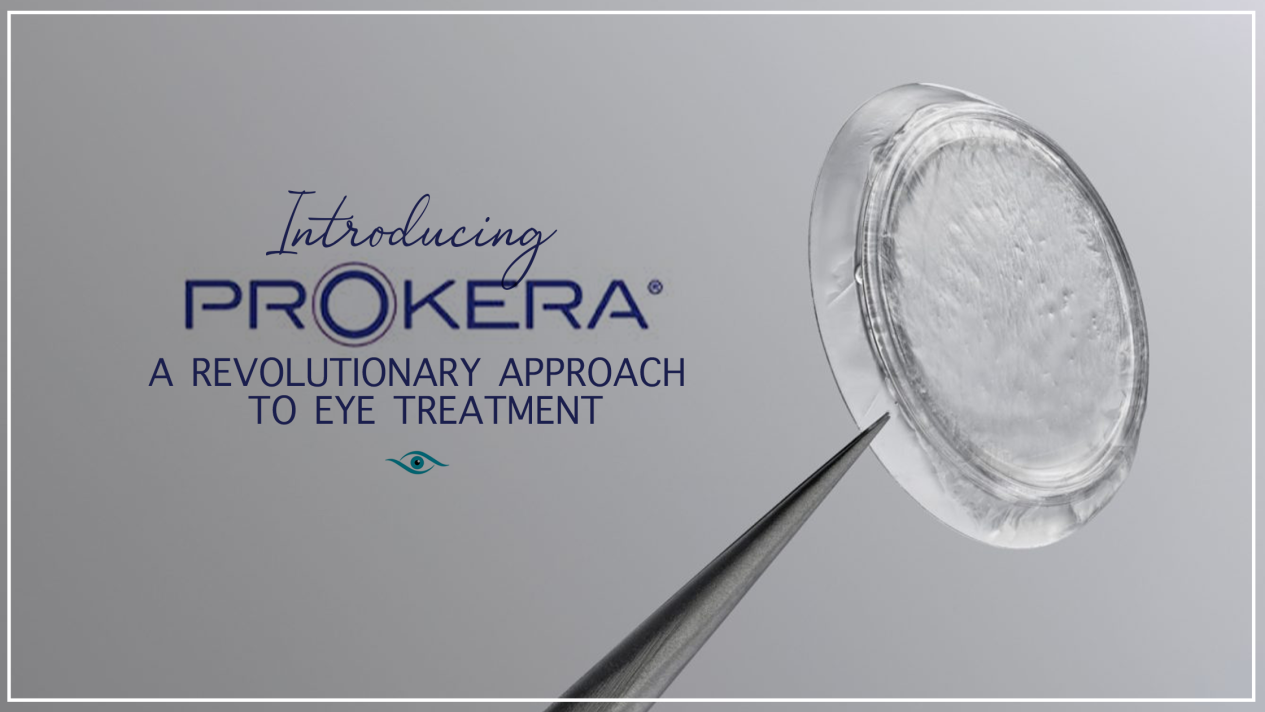
- Prokera amniotic membrane therapy can be used for patients with a damaged ocular surface to repair damage and restore optimal function.
- Specially designed rigid scleral lenses are a type of contact lens that vaults over the cornea, creating a fluid reservoir between the eye and the lens that is filled with hydrating solution. Our practice specializes in scleral lenses for complex eye conditions.
Expert Dry Eye Care in Miami
Artificial tears can provide temporary relief, but lasting improvement starts with identifying the underlying cause of your dry eye. If they don’t work, there are several other avenues for chronic dry eye treatment. Our eye care practitioners have spent years testing the best treatment options, and we know which deliver the best results. For more information about dry eye treatments or to schedule a consultation, contact Miami Contact Lens Institute.