
Core Insights:
- Childhood myopia is very common and progresses as the eye elongates.
- Controlling progression is vital because higher myopia raises lifetime risks like retinal detachment and glaucoma.
- Essilor® Stellest® lenses use H.A.L.T. lenslet technology to create myopic defocus and slow axial elongation while correcting vision.
- Stellest is a non‑invasive spectacle option for roughly 6–12‑year‑olds, especially when contact lenses or ortho‑k lenses are not suitable.
- At Miami Contact Lens Institute, Stellest is fitted precisely and monitored every 3–4 months, often alongside options like MiSight or atropine.
Myopia (nearsightedness) is one of the fastest-growing eye conditions in children worldwide. While glasses can correct blurry distance vision, they do not slow the progression of myopia. As a child's eyes continue to grow longer, the risk of developing serious eye diseases later in life also increases. That's why modern myopia management focuses not only on helping children see clearly today, but also on slowing the progression of myopia to help protect their long-term eye health. Essilor® Stellest® spectacle lenses are an innovative, non-invasive treatment option designed to do both.
What Is Myopia?
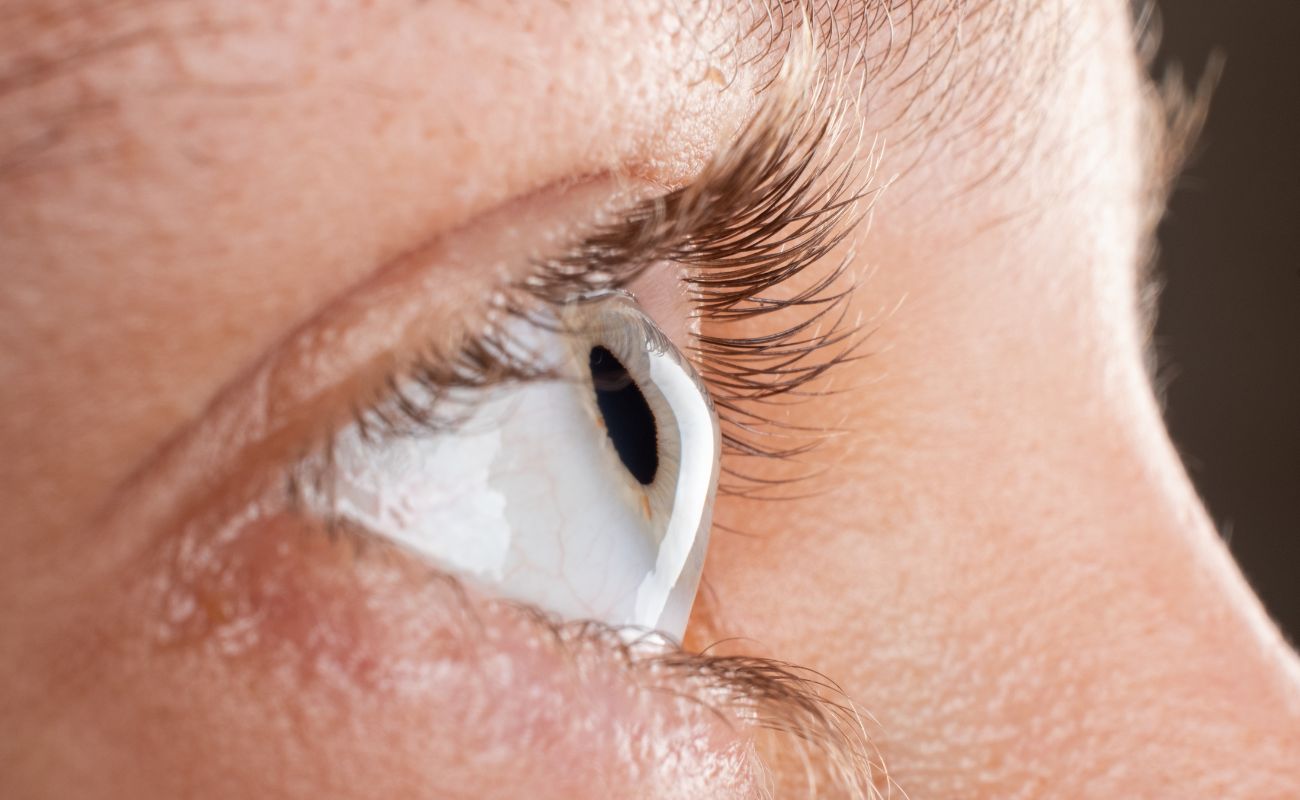
Myopia occurs when the eye elongates from front to back, a process known as axial elongation. In a healthy eye, light passes through the eye and focuses directly on the retina. The retina is the light-sensitive tissue at the back of the eye. In myopic eyes, the light focuses in front of the retina, causing distant objects to appear blurry while nearby objects remain clear. The rise in myopia can be partially attributed to genetics, but environmental factors also play a role.
In recent decades, children have been exposed to increasingly long periods of near-work, such as reading, writing, online schooling, gaming, and scrolling social media. The increased time spent on near work directly correlates with a significant reduction in time spent outdoors in natural light. Research suggests that genetics, prolonged near work, and insufficient time spent outdoors all contribute to the development and progression of myopia. Encouraging children to spend more time outdoors and take regular breaks from prolonged near work may help reduce the risk of myopia progression.
Why Does Myopia Progression Need to be Controlled?
When myopia is unmanaged, it can progress into high myopia, which is far more serious than a higher prescription. High myopia indicates excessive axial elongation, which stretches the tissues at the back of the eye, particularly the retina and underlying structures, making it thinner and weaker over time. High myopia increases the risk of developing vision-threatening conditions in later life, such as retinal detachment, glaucoma, and macular degeneration.
Myopia management slows the elongation to reduce excessive axial elongation and lower the lifetime risk of vision-threatening complications. The sooner a child’s myopia is actively treated and controlled, the lower their risk. It’s important to start myopia management therapies as soon as possible to preserve your child’s vision and maintain their eye health. Unmanaged myopia can have lasting consequences and can interfere with a child’s quality of life.
What Are Essilor® Stellest® Spectacle Lenses?
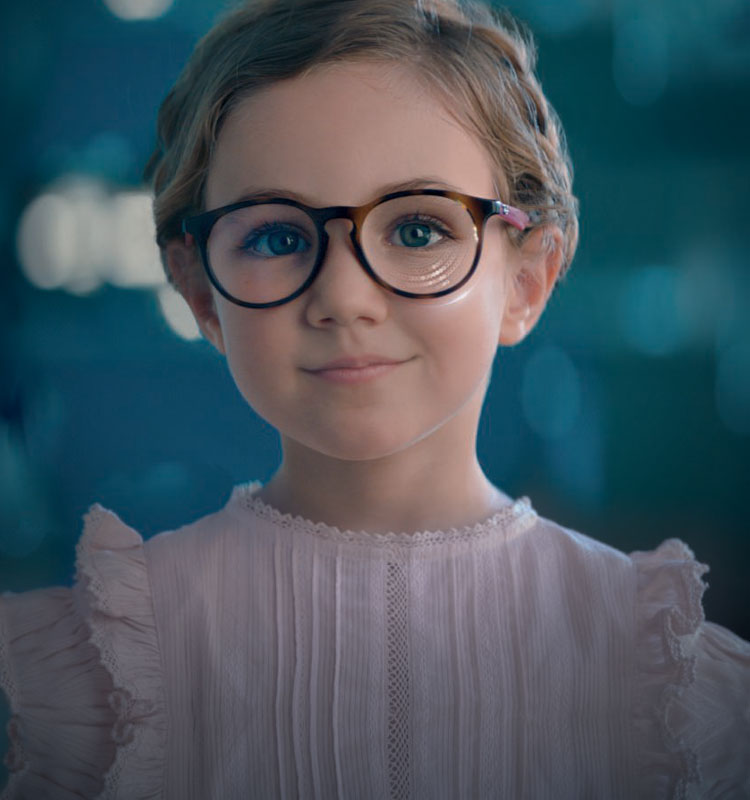
Essilor® Stellest® lenses are specifically designed for myopic children between six and twelve years old. Unlike standard glasses, which only correct blurry vision, Stellest® glasses provide clear vision while actively slowing the progression of myopia. Stellest® spectacle lenses are unique in their design, which is the secret to their effectiveness.
The Power of H.A.L.T. Technology and Design
Essilor® Stellest® lenses feature a clear central zone for normal vision correction, surrounded by 11 rings of 1,021 tiny “microlenses” called lenslets. These lenslets form a special pattern (H.A.L.T. technology) that bends some of the light, focusing it just in front of the retina, creating a gentle “growth-signal” that tells the eye it does not need to keep growing longer. This process creates what's known as myopic defocus, sending a signal that helps slow excessive eye growth while maintaining clear central vision. Clinical studies have shown that Essilor® Stellest® lenses can significantly slow both myopia progression and axial elongation in many children when worn consistently as prescribed.
For your child, this means two things happen at once: the center of the lens lets them see clearly, while the outer rings quietly send a growth-slowing signal in the background throughout the day. After a short adaptation period, most children wear Stellest glasses just like regular glasses. They see clearly, feel comfortable, and the myopia-slowing effect continues for every hour they wear the lenses.
How Do Stellest® Spectacles Compare to Other Myopia Management Methods?
It can be difficult for parents to choose a myopia management plan for their children because there are several highly effective modern methods. At Miami Contact Lens Institute, we offer MiSight contact lenses, orthokeratology overnight lenses, and atropine treatments. While MiSight and orthokeratology lenses are excellent options, they aren’t suitable for every child. Contact lens success depends on hygiene and consistent wear, which can be challenging for very young children.
Stellest® Spectacles, on the other hand, are specifically designed for very young children, and they feel and look exactly like normal glasses. They are comfortable and require minimal adaptation, unlike contact lenses, which are more invasive and can take a couple of weeks to adjust to. While MiSight® and orthokeratology are excellent options for many children, they require proper hygiene, handling, and consistent wear. For some younger children or families who prefer a glasses-based approach, Stellest® provides an effective, non-invasive alternative. Depending on your child's needs, we may also recommend combining myopia-control glasses with low-dose atropine therapy.
What Parents and Children Should Expect From Essilor® Stellest® Spectacles
At the Miami Contact Lens Institute, we take a proactive approach to myopia management. The process starts with a comprehensive eye examination to assess your child’s vision, ocular health, and daily lifestyle. We first determine whether your child is a good candidate for Stellest® or if another treatment would be better suited to their needs.
The Fitting Process
If your child is eligible for Stellest®, we take precise measurements of your child's eyes, prescription, pupillary distance, and frame position to ensure the Stellest® lenslets are optimally aligned. Proper fitting is essential to maximize both visual performance and myopia-control effectiveness. Stellest® lenslet technology relies on precise placement, so an accurate fit is essential. We will then help your child select a frame they can comfortably wear every day, so their myopia is managed without disrupting their normal routine.
Ongoing Monitoring
Myopia management requires regular follow-up visits every three to four months. During these appointments, we monitor changes in your child's prescription, eye health, and axial length using advanced optical biometry. Measuring axial elongation allows us to track whether treatment is effectively slowing the progression of myopia. If necessary, we can adjust your child's treatment plan, recommend a different therapy, or combine treatments to achieve the best possible long-term outcome.
Essilor® Stellest® Myopia Control With Miami Contact Lens Institute
Every child experiences myopia differently, which is why treatment should never be one-size-fits-all. At Miami Contact Lens Institute, we offer a full range of evidence-based myopia management options, including Essilor® Stellest®, MiSight®, orthokeratology, and low-dose atropine. After a comprehensive evaluation, we'll recommend the treatment plan best suited to your child's eyes, lifestyle, and risk of progression.
Frequently Asked Questions
At What Age Should a Child Start Myopia Management?
Myopia management can usually be started directly after diagnosis. Essilor® Stellest® lenses are designed for children ages 6 to 12, but other options provide incredible results for children of other ages. If you notice signs of visual strain, such as squinting, sitting very close to the TV, eye rubbing, complaints of discomfort, or difficulty identifying distant objects, schedule a consultation immediately.
Can Essilor® Stellest® Lenses Cure Myopia?
There is no cure for myopia. However, myopia management methods can slow its progression. Slowed progression is crucial because it prevents rapid, excessive stretching of the corneal tissue, which can weaken it and increase the risk of serious complications later. Prompt management can stave off high myopia and help maintain your child’s vision and eye health.
Can my child still play sports while wearing Stellest® glasses?
Yes. Stellest® lenses function like traditional eyeglasses and can be worn during most daily activities. For some sports, protective sports eyewear or contact lenses may be recommended.
How many hours per day should Stellest® glasses be worn?
Clinical studies suggest children should wear Stellest® lenses as much as possible during waking hours, ideally at least 12 hours per day, to maximize myopia-control benefits.
Will my child eventually outgrow Stellest® lenses?
Most children continue myopia management until eye growth naturally slows during the teenage years. Your eye doctor will monitor progression and determine when treatment can be adjusted or discontinued.