
Modern life requires spending a great deal of time in climate-controlled buildings. People rarely consider how indoor air affects the ocular surface. Indoor air quality and dry eyes are connected because the eye doesn’t have a protective layer like the skin to shield it from environmental irritants. When dry eye is not managed and environmental triggers are ignored, it can contribute to serious consequences for long-term vision and eye health.
Persistent inflammation from poor air quality can lead to long-term corneal instability and increased light sensitivity. If the underlying causes of dry eye aren’t managed, patients are at a higher risk of complications, such as infection and scarring. Protecting the eyes from invisible irritants is a vital step in maintaining clear, comfortable vision throughout the day.
The Impact of Ventilation and Climate Control
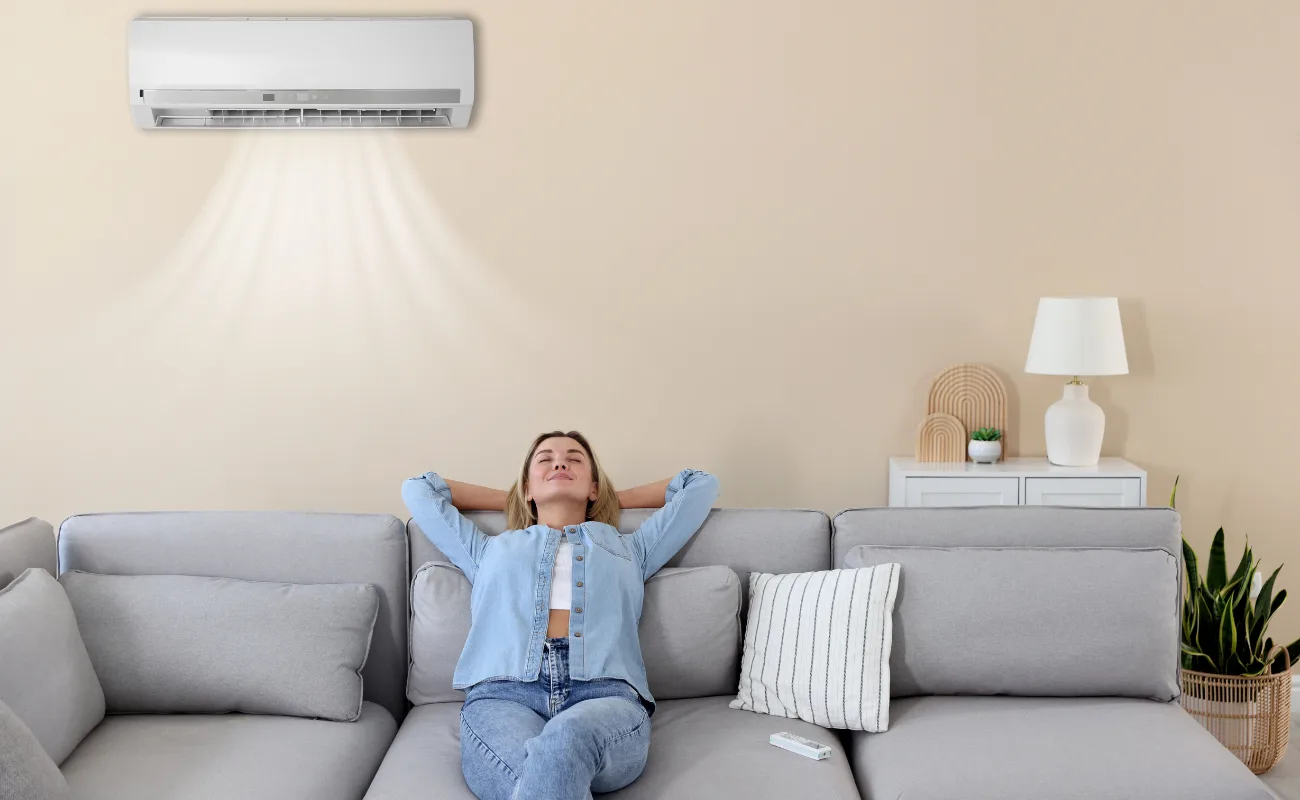
Air conditioning systems and heaters significantly reduce indoor humidity. HVAC and dry eye syndrome are frequently linked because moving air accelerates tear evaporation. Ocular dryness can occur when vents or fans blow directly onto a person’s face while they work. As that protective layer thins, your eyes may feel dry, gritty, or irritated by the end of the day.
Low humidity levels in a building force the eye to work harder to maintain the tear film. When the lipid layer of the tear film becomes thin, the underlying aqueous layer evaporates almost immediately. People who spend long hours in temperature-controlled environments may notice that their eyes feel heavy or sore by the afternoon. Maintaining a balanced indoor environment is essential for those who suffer from chronic dryness.
Chemical Irritants and External Pollutants
Various office and household items release volatile compounds that linger in the air. Poor air quality can cause eye irritation when harmful vapors are trapped in an enclosed space due to limited ventilation. Printers, cleaning solutions, and new furniture are common sources of chemical irritants. Redness and stinging may be reactions to these chemicals. If the root cause isn’t addressed, ongoing exposure can keep the ocular surface inflamed.
External pollutants can enter buildings through tiny openings, affecting everyone inside. Air pollution and eye comfort are directly correlated because fine soot, dust, and chemical particles can settle on the surface of the eye and on the eyelashes. Even microscopic particles can be physically abrasive, leading to corneal irritation. Without proper management, this constant friction can increase the risk of long-term vision problems.
Biological Dry Eye Triggers
Mold spores, pet dander, and dust mites are among the most common allergens that can contribute to dry eye symptoms. These allergens trigger an immune response in the body, releasing histamines that cause itching, redness, and inflammation. This inflammation can disrupt the natural tear film, leading to faster tear evaporation and increased dryness and irritation. If you notice your eyes feel worse at home or around pets, indoor allergens may be playing a role. Identifying and reducing these triggers is an important first step, and in some cases, additional in-office treatments may be recommended to help restore the health of the tear film and improve overall comfort.
Mold spores, pet dander, and dust mites are common indoor allergens that can make dry eye symptoms worse. When your eyes are exposed to these triggers, they can become irritated, itchy, and inflamed, which disrupts the natural tear film and leads to more dryness and discomfort. If you notice your eyes feel worse at home or around pets, allergens in your environment may be part of the issue. Managing these triggers is an important piece of the puzzle when it comes to improving overall eye comfort.
Effective Solutions for Comfortable Vision
Filtration technology can improve air quality and reduce the irritant load. Air purifiers are beneficial for dry eyes because they capture microscopic particles before they reach the eyes. HEPA filters catch dust and pollen that would otherwise settle on the eye and cause inflammation. Clean air leads to a more stable tear film and reduced discomfort. In the long run, using air-purifying technology supports tear film stability and eye health.
Simple lifestyle adjustments can also have a significant positive impact on eye comfort. Using humidifiers to improve air quality and switching to non-toxic cleaning products are among the easiest changes you can make to improve indoor air for eye health. In addition, keeping windows closed on high-pollen days prevents external allergens from entering the home reduces histamine release.
Professional Guidance and Advanced Dry Eye Solutions
At Miami Contact Lens Institute, our team has decades of experience managing patients with complex eye conditions. Because lifestyle changes don’t always provide enough relief, we offer innovative non-surgical treatments. Scleral lenses are specialized contact lenses that provide a protective barrier, shielding the eye from pollutants and debris. Those who work in dry, dusty environments can benefit considerably from wearing scleral lenses.
Early and proactive treatment helps protect long-term eye health and maintain stable vision. We use advanced technology to address the root cause of dry eye symptoms and improve tear film quality. If you are interested in exploring long-term dry eye management, contact Miami Contact Lens Institute to schedule a consultation. Unmanaged dry eye increases the risk of vision-threatening conditions, so it’s important to seek care before your discomfort significantly interferes with your daily life.