
Your eyesight plays an important role in almost everything you do, from reading and driving to working, exercising, and spending time with loved ones.
Yet many people don't think about their eye health until they notice blurry vision, discomfort, or another problem.
The good news is that simple everyday habits, combined with regular comprehensive eye examinations, can help protect your vision and reduce the risk of certain eye diseases.
At Miami Contact Lens Institute, we believe that protecting your eyesight starts with understanding how to care for your eyes at every stage of life.
Here are 11 important ways to support healthy vision.
Why Is Protecting Your Vision Important?
Some eye conditions develop gradually and may not cause noticeable symptoms in their early stages.
Glaucoma, diabetic retinopathy, and certain retinal conditions, for example, can affect eye health before you notice changes in your vision.
Other problems, such as eye infections or retinal detachment, may develop suddenly and require urgent treatment.
While not all eye diseases can be prevented, early detection, appropriate treatment, and healthy habits can make a meaningful difference in preserving your eyesight.
11 Ways to Protect Your Vision and Eye Health
Here are 11 simple ways to protect your vision and support long-term eye health
1. Schedule Regular Comprehensive Eye Exams

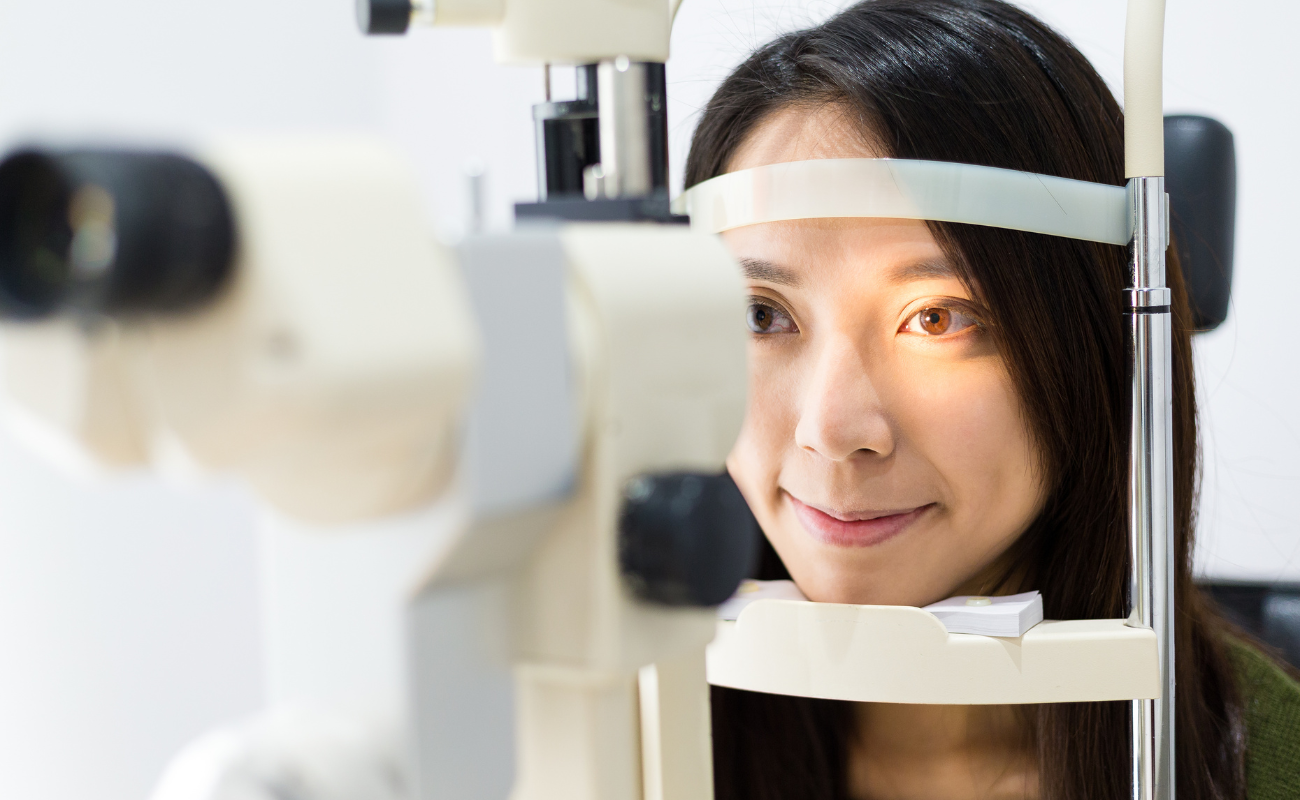
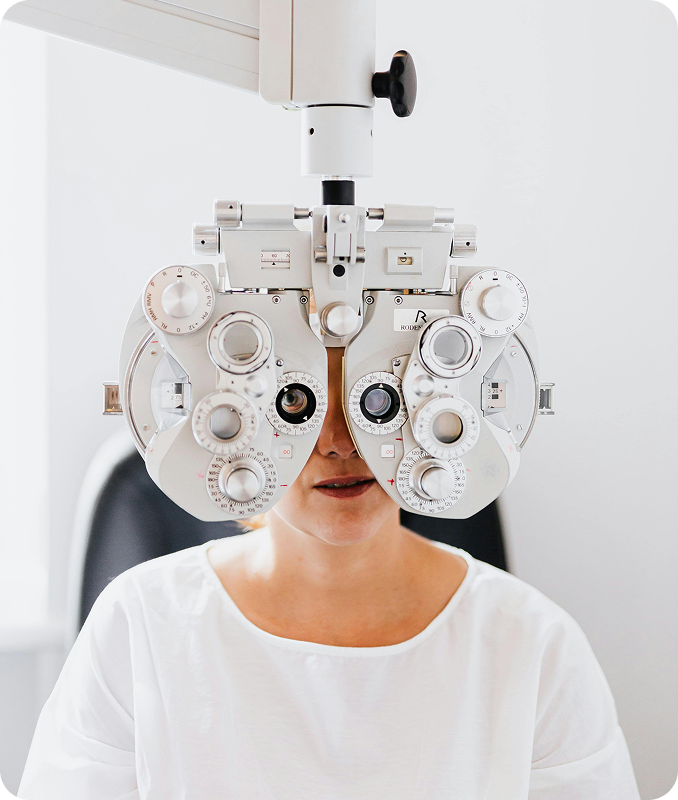
One of the most important steps you can take to protect your vision is having regular comprehensive eye examinations.
Even if you see clearly and your eyes feel comfortable, an eye exam can reveal conditions that may not cause early symptoms.
A comprehensive examination evaluates more than your glasses prescription. Depending on your needs, it may include:
- Visual acuity and prescription testing
- Eye pressure measurements
- Examination of the cornea, lens, and other eye structures
- Evaluation of the retina and optic nerve
- Dilated examination when appropriate
- Additional imaging or diagnostic testing when indicated
How often should you have an eye exam?
The recommended frequency depends on your age, medical history, family history, and individual risk factors.
Many healthy adults benefit from examinations every one to two years, while contact lens wearers and people with certain medical or eye conditions may need annual or more frequent visits.
If you experience new symptoms or changes in your vision, don't wait for your next routine appointment.
Learn more about our comprehensive eye examinations.
2. Protect Your Eyes From UV Exposure
Just as ultraviolet (UV) radiation can damage your skin, prolonged exposure can also affect your eyes.
Cumulative UV exposure is associated with several eye conditions, including cataracts, pterygium, and certain eyelid and ocular surface abnormalities.
In sunny climates like South Florida, eye protection is particularly important throughout the year.
Ways to protect your eyes include:
- Choose sunglasses labeled 100% UVA and UVB protection or UV400.
- Consider wraparound frames to reduce exposure from the sides.
- Wear a wide-brimmed hat for additional protection.
- Encourage children to wear appropriate UV-protective sunglasses outdoors.
- Remember that UV exposure can occur even on cloudy days.
Darker lenses don't necessarily provide better UV protection. What matters is the actual UV-blocking capability of the sunglasses.
3. Avoid Rubbing Your Eyes
Rubbing your eyes may seem harmless, especially when they feel itchy or tired.
However, frequent or forceful eye rubbing can irritate the ocular surface and place mechanical stress on the cornea.
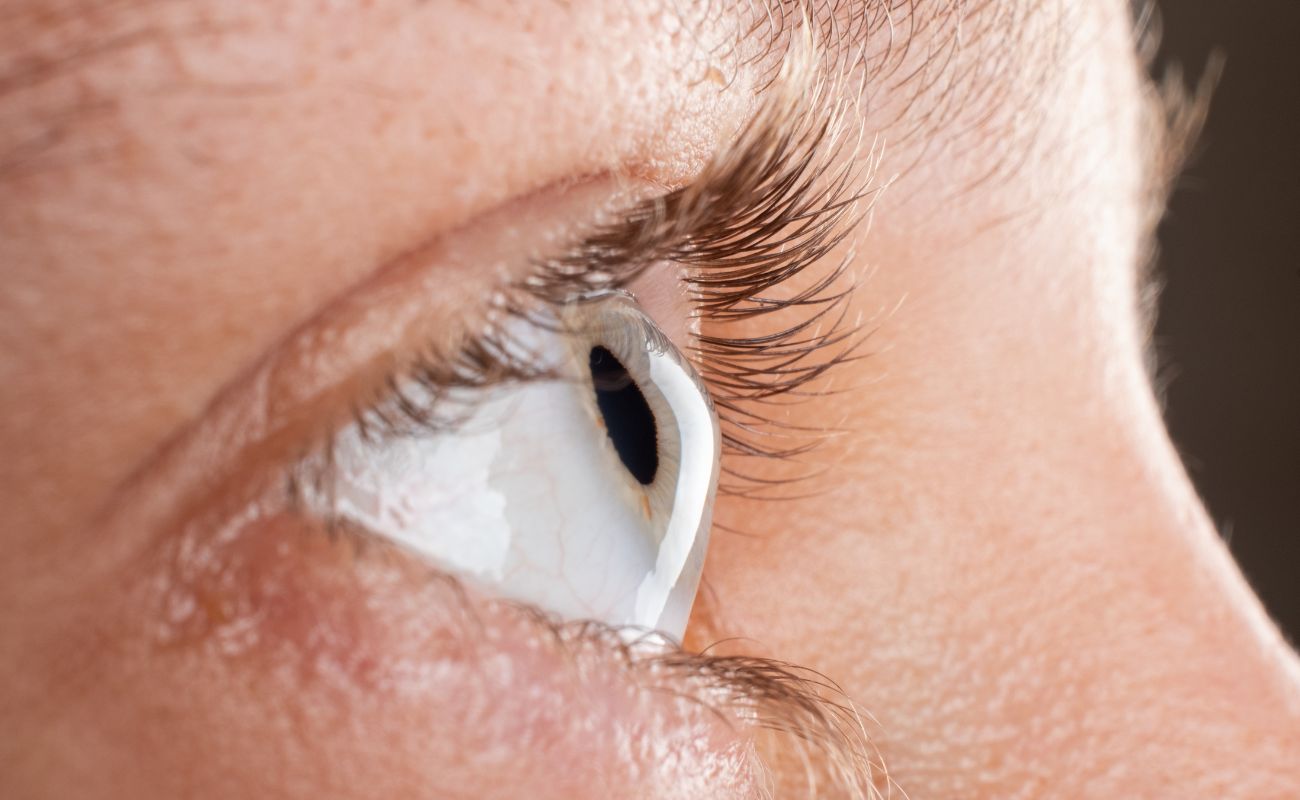
Research has identified a strong association between chronic eye rubbing and keratoconus, a condition in which the cornea becomes thinner and develops an irregular shape.
Eye rubbing may also aggravate existing corneal irregularities.
If you frequently feel the urge to rub your eyes, the underlying cause may be:
- Eye allergies
- Dry eye disease
- Contact lens irritation
- Eyelid inflammation
Instead of rubbing, try a cool compress or preservative-free artificial tears when appropriate.
If itching or irritation persists, an eye examination can help identify the cause and determine the best treatment.
4. Practice Proper Contact Lens Hygiene
Contact lenses can provide excellent vision and comfort, but improper care can increase the risk of serious eye infections.
Microbial keratitis, an infection of the cornea, can sometimes lead to corneal scarring and permanent vision loss.
Fortunately, many contact lens-related complications can be reduced through proper hygiene and safe wearing habits.
Important contact lens safety tips:
- Always wash and dry your hands before handling lenses.
- Follow the recommended cleaning and disinfection instructions.
- Never use tap water or homemade saline to clean or store lenses.
- Avoid swimming or showering while wearing contact lenses.
- Never reuse or top off old disinfecting solution.
- Replace your contact lens case regularly.
- Follow the prescribed replacement and wearing schedule.
- Avoid sleeping in contact lenses unless specifically prescribed for overnight wear.
If you develop redness, pain, light sensitivity, or blurred vision while wearing contact lenses, remove them immediately and seek prompt eye care.
Do not reinsert the lenses simply because your symptoms temporarily improve.
Proper contact lens fittings and regular follow-up examinations help support safe, comfortable lens wear.
5. Pay Attention to Your Child's Vision
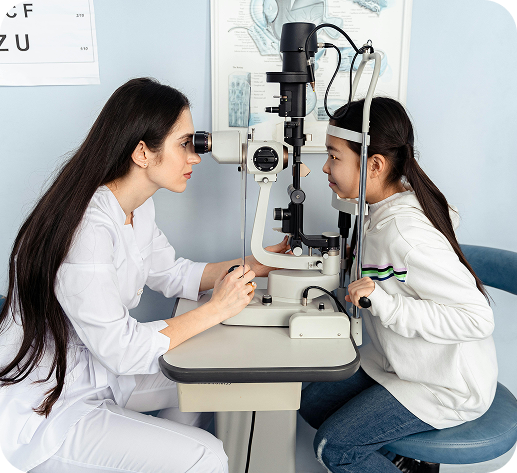
Children may not always recognize or communicate that they are having difficulty seeing.
Some assume that blurry vision is normal because they have never experienced anything different.
Signs that your child may need an eye examination include:
- Squinting to see distant objects
- Sitting unusually close to screens
- Holding books or devices very close
- Frequent headaches or eye strain
- Difficulty seeing the board at school
One increasingly common concern is myopia, or nearsightedness, which often begins during childhood and may progress as the eyes grow.
Higher levels of myopia are associated with increased risks of certain eye diseases later in life.
Fortunately, modern myopia management treatments can help slow progression in many children.
Options may include orthokeratology, MiSight contact lenses, specially designed glasses, or selected atropine eye-drop treatments.
Encouraging outdoor activity and healthy visual habits can also support children's eye health.
Regular pediatric eye examinations help detect problems early, even when your child has no obvious symptoms.
6. Manage Diabetes and High Blood Pressure
Your overall health has a direct impact on your eye health.
Conditions such as diabetes and high blood pressure can affect the small blood vessels that supply the retina.
Diabetic retinopathy, for example, can develop without noticeable symptoms in its early stages.
Over time, damage to retinal blood vessels may cause bleeding, swelling, and vision loss.
Managing blood sugar, blood pressure, and other cardiovascular risk factors can help reduce the risk of complications.
If you have diabetes, regular dilated retinal examinations are particularly important. Your eye care provider can recommend an appropriate monitoring schedule based on your individual findings.
7. Avoid Smoking
Smoking is associated with an increased risk of several serious eye conditions.
According to the U.S. Food and Drug Administration, people who smoke have a higher risk of developing cataracts and age-related macular degeneration.
Smoking can also contribute to ocular surface irritation and may worsen dry eye symptoms.
Quitting smoking offers important benefits for both your general health and your eyes.
If you smoke, consider speaking with your healthcare provider about resources and strategies to help you quit.
8. Eat a Balanced, Nutrient-Rich Diet
A healthy diet supports the normal function of your eyes and the rest of your body.
Several nutrients play important roles in maintaining eye health, including:
- Lutein and zeaxanthin: Found in leafy green vegetables and egg yolks.
- Omega-3 fatty acids: Found in fatty fish such as salmon and sardines.
- Vitamin C: Found in citrus fruits, strawberries, and bell peppers.
- Vitamin E: Found in nuts, seeds, and certain vegetable oils.
- Zinc: Found in meat, seafood, beans, and nuts.
Eating a varied, balanced diet can help support overall eye health.
However, supplements are not a substitute for a healthy diet or appropriate medical treatment.
Certain patients with age-related macular degeneration may benefit from a specific supplement formulation known as AREDS2, but it is not recommended for everyone.
Discuss supplements with your eye care provider before starting them.
9. Take Breaks From Digital Screens
Spending long hours on computers, smartphones, and tablets can contribute to digital eye strain.
Common symptoms include:
- Dryness or burning
- Blurry or fluctuating vision
- Headaches
- Tired eyes
- Difficulty maintaining focus
When concentrating on a screen, people tend to blink less frequently and may blink incompletely, which can contribute to tear-film instability and dryness.
One simple strategy is the 20-20-20 rule:

Every 20 minutes, look at something approximately 20 feet away for at least 20 seconds.
You can also improve comfort by adjusting screen brightness, reducing glare, positioning your monitor slightly below eye level, and remembering to blink fully.
Although blue-light-blocking glasses are widely marketed, current evidence does not establish that they prevent retinal damage from ordinary screen use.
For patients with persistent symptoms, an eye examination can help determine whether dry eye disease, an outdated prescription, or another issue is contributing to discomfort.
10. Wear Protective Eyewear When Needed
Eye injuries can happen during everyday activities, not just in industrial or construction environments.
Common situations that can put your eyes at risk include:
- Home improvement projects
- Yard work
- Using power tools
- Handling cleaning chemicals
- Certain sports and recreational activities
Regular prescription glasses and sunglasses are not substitutes for properly rated protective eyewear.
Choose safety glasses or goggles appropriate for the activity, including ANSI Z87.1-rated protection when indicated.
For sports, consider protective eyewear designed specifically for the activity.
Preventing an eye injury is far easier than treating the potential consequences.
11. Know Your Family Eye Health History
Some eye conditions have a hereditary component.
Having a close family member with glaucoma, macular degeneration, or certain corneal diseases may increase your own risk.
Knowing your family's eye health history can help your eye care provider determine whether additional testing or more frequent examinations are appropriate.
Even if your vision seems normal, make sure to mention any significant family history during your appointment.
Common Eye Health Myths
There is a lot of misinformation about eyesight and eye health. Here are a few common myths worth clarifying.
Myth: Sitting too close to the television permanently damages your eyes.
Sitting close to a screen does not necessarily cause permanent eye damage. However, it may contribute to visual discomfort, and consistently sitting very close can sometimes be a sign of uncorrected nearsightedness.
Myth: Blue light from screens causes permanent retinal damage.
Current evidence does not show that ordinary digital screen exposure causes retinal damage through blue light. Extended screen use can still contribute to dryness and eye strain.
Myth: Wearing glasses makes your eyes weaker.
Glasses correct the way light focuses on your retina. They do not weaken your eyes or make you dependent on them.
Myth: Carrots can fix blurry vision.
Carrots contain vitamin A, which is important for normal visual function. However, eating more carrots will not correct nearsightedness, astigmatism, or other refractive errors.
Myth: If my vision is clear, my eyes must be healthy.
Some eye diseases develop without affecting central vision in their early stages. Regular comprehensive examinations remain important even when you see well.
When Should You Seek Immediate Eye Care?
While preventive care is important, certain symptoms require urgent medical attention.
Seek prompt evaluation if you experience:
- Sudden loss or significant reduction of vision
- New flashes of light or a sudden increase in floaters
- A dark curtain or shadow across your vision
- Severe eye pain
- Significant redness accompanied by pain or light sensitivity
- Sudden double vision
- An eye injury or chemical exposure
These symptoms can indicate potentially serious conditions, including retinal detachment, corneal infection, or other eye emergencies.
For chemical exposure, immediately flush the affected eye with water or saline and seek emergency medical attention.
Learn more about eye symptoms you should never ignore.
Protect Your Vision With Miami Contact Lens Institute
Taking care of your eyes involves more than seeing clearly today. It means identifying potential problems early, developing healthy habits, and receiving appropriate care throughout your life.
At Miami Contact Lens Institute, Dr. Elise Kramer provides comprehensive eye care with a special focus on ocular surface disease, dry eye treatment, and specialty contact lenses.
Whether you're experiencing vision changes, struggling with contact lens discomfort, or simply want to take a proactive approach to your eye health, our team can help.
We proudly welcome patients from across the United States and around the world at our Miami and Weston locations.
Schedule a comprehensive eye examination at Miami Contact Lens Institute.