
.jpg)
Myopia, or nearsightedness, is a common condition among children, and it’s becoming increasingly prevalent worldwide. Parents and patients need to understand the difference between regular corrective glasses and myopia control. This blog explores why myopia management is necessary, the control methods we use, and how myopia prevention differs from wearing regular glasses.
What Is Myopia?
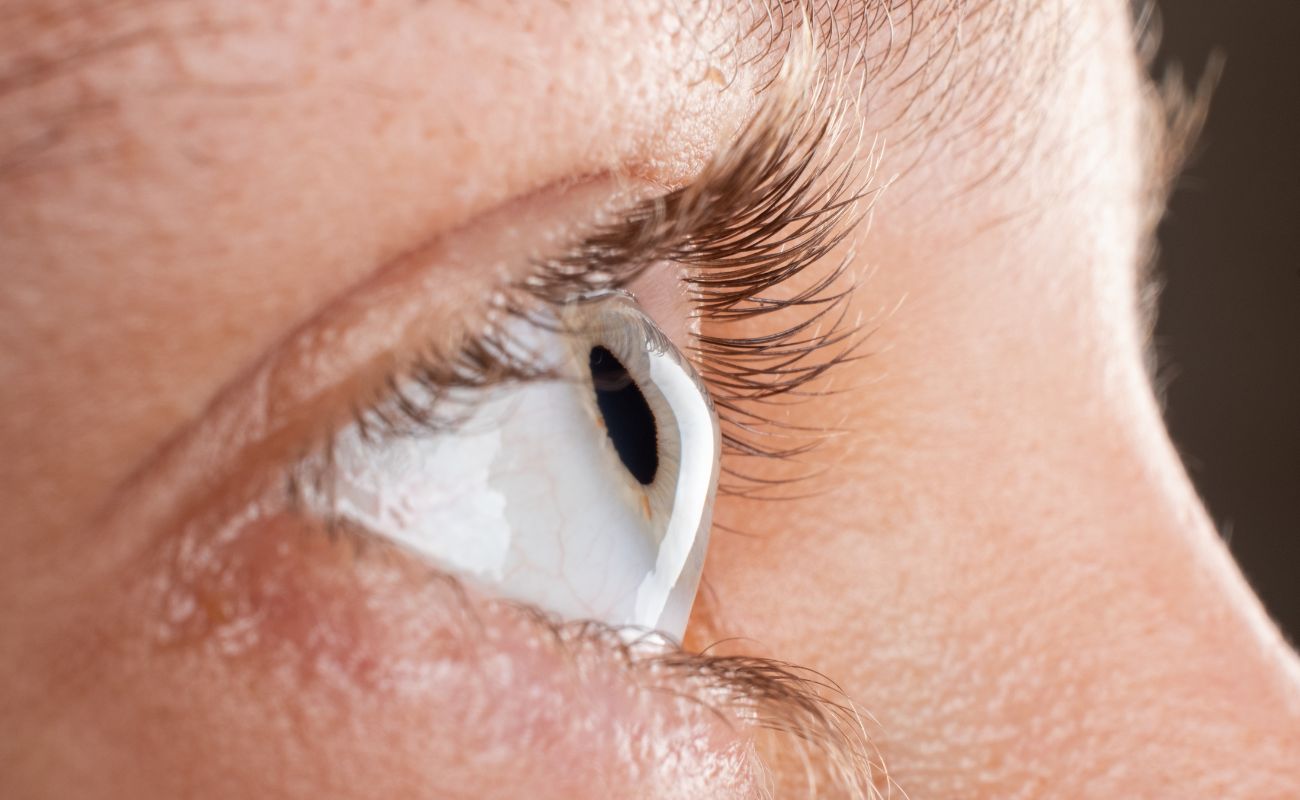
Myopia is a disease that causes the eye to grow too long from front to back. When the eye is too elongated, light focuses in front of the retina instead of directly on it. The retina is responsible for converting light into electrical signals that the brain translates into vision. When light doesn’t fall onto the retina, the signals sent to the brain aren’t as clear, leading to blurred distance vision.
The primary concern when children develop myopia is how much and how quickly the condition advances. When progressive myopia is not managed, the eye continues to grow, gradually stretching and thinning the corneal tissue. Myopia progression makes the eyes more vulnerable to vision-threatening conditions in later life, such as retinal detachment, glaucoma, and macular degeneration.
What Is Myopia Control?
Myopia control refers to a range of treatments that are designed to slow the growth and elongation of the eye. By slowing the eye’s growth, we can minimize the risk of complications by protecting the corneal tissue from stretching. At Miami Contact Lens Institute, we offer four myopia management treatments: stellest glasses, distance center multifocal soft contact lenses, orthokeratology lenses, and atropine eye drops.
Stellest Glasses
Stellest lenses are innovative spectacle lenses specifically engineered for myopia control. Unlike regular glasses that only correct blurry distance vision, Stellest lenses are designed with H.A.L.T. technology (Highly Aspherical Lenslet Target) to slow eye elongation. The lens contains multiple aspherical lenslets that create a signal in the peripheral retina, gently guiding the eye to grow at a slower rate.
Stellest lenses are an excellent option for younger children or those who prefer glasses over contact lenses. They offer comfortable, clear vision and clinically proven slowing of myopia progression when worn consistently for the recommended number of hours each day. Stellest glasses can be used alone or combined with other management methods, depending on the child’s needs and lifestyle.
Distance Center Multifocal Soft Contact Lenses
One of the treatments we offer is distance center multifocal soft contact lenses. These specially designed contact lenses are worn during the day to provide clear vision. What makes these lenses so special is that they also slow myopia progression. We use CooperVision MiSight lenses, which have different concentric zones with varying corrective powers. MiSight lenses cause myopic defocus, which signals the eye to decelerate elongation.
By wearing MiSight lenses every day, children can enjoy clear vision while significantly slowing the progression of their condition. MiSight lenses are a convenient, non-invasive myopia control option for patients who also need daytime vision correction. They are safe, effective, and well-tolerated, making them an excellent option for children and adolescents in active growth years.
Orthokeratology (Ortho-K) Lenses
Orthokeratology contact lenses are rigid, gas-permeable lenses that are worn overnight to gently reshape the cornea while sleeping. When the lenses are removed, the refractive error caused by myopia is temporarily corrected. This intervention allows for clear vision throughout the day without the need for eyeglasses or soft contact lenses. Ortho-K lenses improve how light is focused within the eye. This improvement sends signals that instruct the eyes to discontinue elongation over time.
Ortho-K lenses are only worn at night and removed every morning. They offer an excellent alternative for children who struggle with other management and correction methods. For example, active children who participate in sports or those who are more prone to losing their glasses. Sports like swimming and football are not conducive to regular glasses or soft contact lens wear. Swimming can expose contact lenses to microorgarnisms and contact sports can damage glasses.
Atropine Eye Drops
Atropine eye drops are a pharmaceutical treatment used for myopia control. Low-dose atropine drops are applied to the eyes daily and work by relaxing the eye. When the eye is relaxed, it minimizes the signals that instruct the eyes to grow. Atropine drops can significantly slow the progression of myopia in children with minimal side effects. Unlike soft contact lenses or glasses, atropine doesn’t correct vision, so traditional correction methods are still required.
Children using atropine eye drops must be carefully monitored by an eye care professional. We must balance the benefits of treatment with potential side effects like light sensitivity. Atropine drops are typically used as part of a comprehensive myopia control plan. Regular eye exams allow us to track progression and alter the dosage or treatment plan according to how the patient’s eyes react to treatment.
What Are The Differences Between Myopia Control and Regular Glasses?
Regular glasses serve a single purpose: to correct blurry distance vision by bending light to land on the retina. Single vision glasses alone cannot address the underlying issue, which is the increasing eye length. In contrast, the goal of myopia control is to limit the progression of the eye’s growth during childhood. When we discuss the capabilities of regular eyeglasses vs myopia control with parents, we stress that glasses don’t reduce the risk of long-term complications.
We create myopia control plans that include vision correction and progression management. Glasses can improve visual clarity, but myopia control is an intervention that protects eye health in later life. Using either Stellest glasses, Ortho-K, MiSight, or atropine drops and glasses, we can preserve your child’s vision and help them see clearly. Consistent follow-up visits allow us to monitor how your child’s eyes are responding and fine-tune the treatment as needed.
Myopia Control Matters
If your child has myopia and you’re looking for a comprehensive solution that prioritizes decelerating the development of the condition, contact Miami Contact Lens Institute. We offer vision correction for kids that also protects their eye health in adulthood. Our expert eye doctors use advanced imaging technology and cutting-edge treatment modalities to improve children’s quality of life now and in the future.