

Orthokeratology, or “ortho-K,” is a popular treatment in the world of eye and vision care. While orthokeratology has become more common over the past decade or so, though, there are still a lot of people who don’t know exactly what it is. In this blog, we will provide some basic details about ortho-K treatments and identify the core vision problems that it helps to treat.
Orthokeratology - The Definition
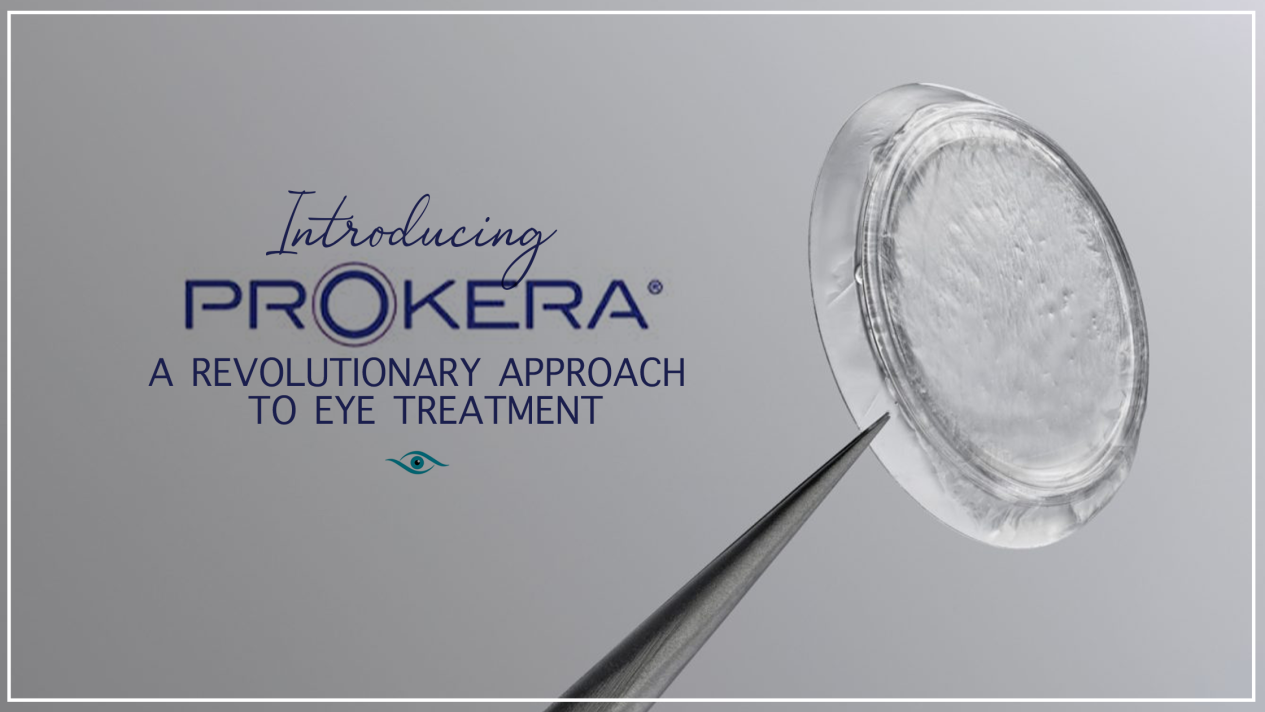
The word “orthokeratology” refers to a specialized class of gas-permeable contact lenses that are meant to be worn overnight. It is also referred to as “corneal refractive therapy.” The idea behind ortho-K lenses is to reshape the surface of the eye in a gentle, gradual, safe, and temporary way. In cases where ortho-K is successful, it essentially changes the corneal shape so that the patient can enjoy normal vision during the day without needing glasses or contact lenses. Ideally, ortho-K lenses will eliminate the need for the patient to wear contact lenses or glasses during his or her waking hours.
Conditions that Ortho-K Can Treat
The four vision issues that ortho-K is used most often to correct are myopia (nearsightedness), hyperopia (farsightedness), astigmatism, and presbyopia. Of these four problems, ortho-K has been most successful as a treatment for myopia. Patients with up to -6.00 diameters of myopia are the bests candidates for ortho-K treatment. More severe myopia may require other treatments. Ortho-K has also been a go-to option among eye doctors for addressing myopia in children and slowing down its progression. In fact, no other treatment method in the book has been as effective for this particular purpose.Ortho-K can also be beneficial for patients struggling with hyperopia, astigmatism, and presbyopia. In most cases, ortho-K is only useful for patients with less severe cases of these vision problems. However, if you are dealing with one of these vision issues, you should certainly consult your eye doctor to determine whether you are a good candidate for ortho-K treatment.Ultimately, it is essential to note that the results of ortho-K treatments can vary significantly from one case to the next—even among patients who struggle with the same types and degrees of refractive errors. Only by examining your eyes will your eye doctor be able to determine whether your degree of refractive error can be managed effectively with orthokeratology.
Schedule a Consultation with Miami Contact Lens Institute Today
For many patients, using ortho-K lenses can yield a long list of benefits. The idea of enjoying clear vision without the assistance of glasses or lenses is undoubtedly an attractive concept for anyone struggling with any of the conditions discussed above. It is especially ideal for individuals who participate in sports, who work in dusty environments, or whose jobs demand clear, dependable, and often unaided vision (such as pilots or police officers). At Miami Contact Lens Institute, we often use orthokeratology as a way to help patients with refractive error conditions. If you want to know whether ortho-K is a good fit for you, contact us today to schedule an appointment.