
.jpg)
Dry eye can develop gradually, often beginning with intermittent irritation, burning, redness, or fluctuating vision. When these symptoms persist or worsen despite over-the-counter treatments, it may indicate chronic dry eye, an underlying condition that benefits from evaluation and targeted care.
When Does Dry Eye Become Chronic?
Chronic dry eye is a long-term condition that can have severe consequences for vision and eye health. Symptoms include constant irritation, painful burning, redness, light sensitivity, and blurry vision. Some patients even experience contradictory watery eyes, which may indicate poor tear quality. Dry eye symptoms usually become worse with prolonged exposure to low-humidity, windy, and smoky environments.
Activities that do not encourage regular blinking, such as reading and screen use, can also exacerbate dry eye. Hormonal changes, particularly after menopause, can cause significant changes to the quality and composition of the tear film. Autoimmune diseases and medication can cause eyelid gland dysfunction, where the oil-producing gland (meibomian gland) does not produce enough oil to prevent the premature evaporation of the watery layer of tears.
What Causes Chronic Dry Eye?
The tear film is a vital protective layer that keeps the eyes moist and flushes out debris. Tears consist of three layers: an oily layer that prevents evaporation, a watery layer that provides moisture, and a mucus layer that helps tears spread across the eye evenly. When any of the layers are compromised, it can cause dry eye.
One of the most significant causes of chronic dry eye is meibomian gland dysfunction (MGD). MGD is a condition where the oil-producing glands along the eyelids become clogged with oil or do not produce enough oil. Gland dysfunction disrupts the stability of the tear film and leads to rapid tear evaporation. When dry eye isn’t treated, it can lead to ocular surface disease.
Other contributing factors can include environmental irritants like air conditioning and dust, medications like antidepressants and antihistamines, and health issues such as diabetes, thyroid disorders, and autoimmune conditions like Sjögren’s syndrome. In addition, extended contact lens wear increases the risk of dry eye, especially when the lenses are not cared for appropriately. Switching to daily disposables, and properly cleaning and caring for longer replacement lenses can help mitigate some dry eye symtpoms.
Can Dry Eye Symptoms Be Managed At Home?
At first, dry eye symptoms may be controlled by restoring moisture and supporting tear production through simple adjustments. Warm compresses applied to closed eyelids can melt clogged oil in the meibomian glands to allow for better oil flow. Gentle eyelid hygiene practices like daily cleansing with a specially formulated eyelid cleanser can remove debris and reduce bacterial buildup.
Prioritizing hydration by drinking plenty of water and increasing the humidity in your home can improve tear quality and reduce symptoms. Making a conscious effort to blink frequently during extended periods of near work and screen time is essential for spreading tears across the eye surface. Over-the-counter artificial tears may provide immediate relief by supplementing the tear film throughout the day.
However, when at-home remedies only provide temporary relief from symptoms, but the irritation returns continuously, it may be a sign of chronic dry eye. When dry eye persists despite basic interventions, it’s vital to seek professional help. Eyecare practitioners can help patients manage their condition with medications and targeted treatments.
Are There Professional Treatments For Chronic Dry Eye?
Several dry eye treatment options can help chronic sufferers enjoy long-term comfort. Prescription anti-inflammatory eye drops can be used short-term to minimize ocular surface inflammation that may be contributing to symptoms. We offer specialized treatments, including Lipiflow®, BlephEx™, Prokera, OptiLight IPL, and TearCare.
Lipiflow® treats dry eye by unblocking clogged meibomian glands with thermal pulses. Using Lipiscan™ Dynamic Meibomian Imaging™ we can clearly see what your glands look like internally. The imaging technology helps us identify the location and extent of oil blockages so we can treat them effectively, allowing the oily layer of your tear film to move freely
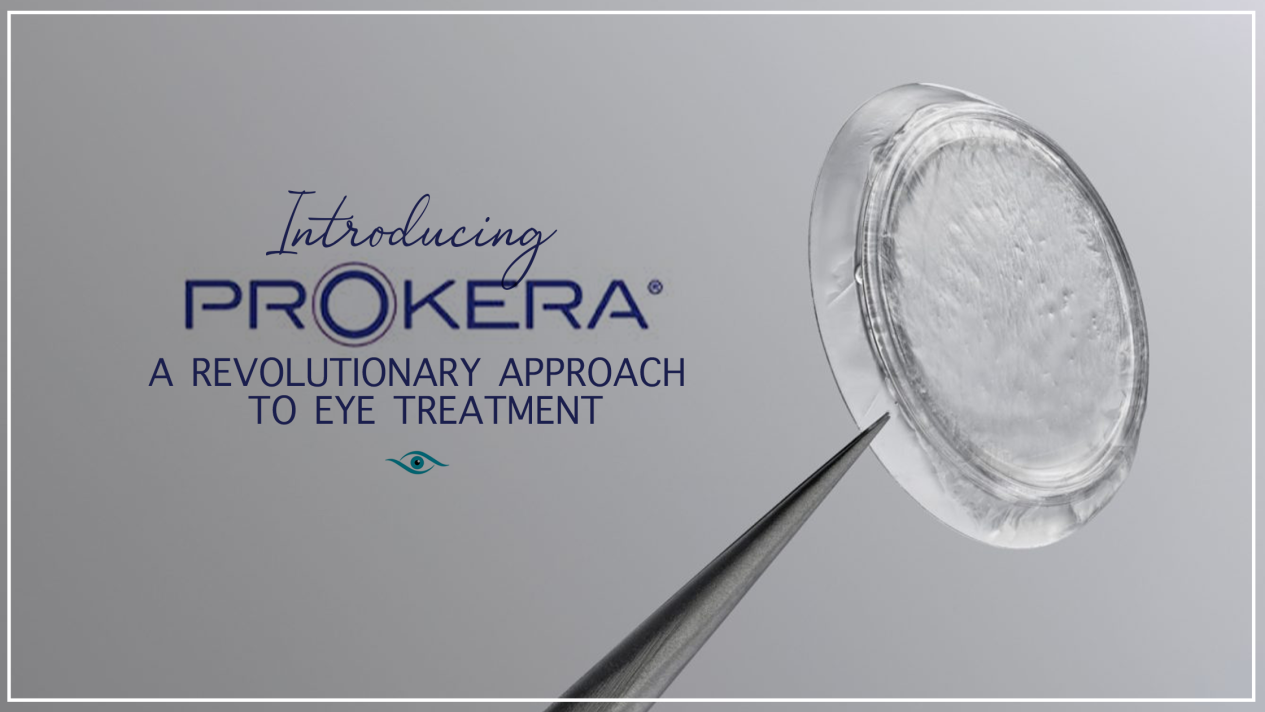
BlephEx™ uses a micro-sponge to deep clean and exfoliate eyelids and eyelashes to remove bacteria, debris, and biofilm. Prokera takes a regenerative approach to dry eye treatment by using amniotic membrane as biocompatible bandages, which are placed on the eye surface to repair damaged tissue and reduce inflammation.
OptiLight is an FDA-cleared intense pulsed light (IPL) treatment designed to address the inflammatory component of dry eye disease. By targeting abnormal blood vessels associated with meibomian gland dysfunction, OptiLight helps reduce inflammation and improve tear film stability. The treatment is gentle on the surrounding skin and safe for most dry eye patients.
TearCare is an advanced treatment for dry eye that gently warms the eyelids to help open blocked oil glands. Small, comfortable devices are placed on the eyelids to deliver consistent heat, allowing the natural oils in your tears to flow more freely. This helps improve irritation, improve tear quality, and keep your eyes feeling more comfortable.
We also use scleral contact lenses, which vault over the cornea and maintain a fluid reservoir on the front surface of the eye. This reservoir supports ocular surface hydration, improves comfort, protects the eye from irritation caused by blinking and environmental factors, and helps provide clear, stable vision for patients with dry eye.
Expert Medical Support for Chronic Dry Eye
If you are experiencing dry eye symptoms that will not resolve despite at-home treatments and over-the-counter medications, you may need more advanced support. At Miami Contact Lens Institute, we specialize in chronic dry eye with treatments that address the root cause. Our team has extensive experience in facilitating long term dry eye relief and helping patients feel comfortable again. Contact us to schedule a consultation.