Essilor® Stellest®
Myopia, commonly known as nearsightedness, is a common condition in children and teens. There are several long-term concerns associated with myopia due to its progressive nature, which weakens eye tissue. There are several myopia methods to slow myopia progression, but they aren’t always ideal solutions for young children. Essilor® Stellest® spectacles provide clear vision while effectively slowing the progression of myopia.
What Is Myopia?
Myopia occurs when the eye grows too long from front to back, causing distant objects to appear blurry while nearby objects are clear. Nearsightedness can progress quickly during childhood, with many patients requiring a stronger glasses prescription every year. When myopia is not managed, it can develop into high myopia, which significantly increases the risk of acute eye conditions, including retinal detachment, glaucoma, and macular degeneration.
What Is Essilor® Stellest®?
Essilor® Stellest® spectacle lenses are designed for children between six and twelve years old. Stellest® lenses serve two primary functions: vision correction and myopia control. These advanced lenses are highly effective due to their unique design, which includes a central vision correction zone and 11 concentric rings consisting of 1021 lenslets. The lenslets control the distribution of light to create a myopic defocus zone in front of the retina.
Myopic defocus plays a critical role in slowing down the growth of the eye because light is the signal that triggers rapid elongation. When the way that light enters the eye is controlled, the risk of long-term eye health complications is significantly reduced. Stellest® lenslets are almost invisible, and after a couple of days, the wearing experience is virtually identical to that of traditional spectacles.
How Does Essilor® Stellest® Benefit Children With Myopia?
In the last few decades, children have been increasingly exposed to environmental factors that can accelerate the progression of myopia. Long periods of uninterrupted screen time and minimal time spent outdoors are two of the most damaging habits for children with myopia. Furthermore, many of the myopia control methods currently available aren’t always suitable for young children.
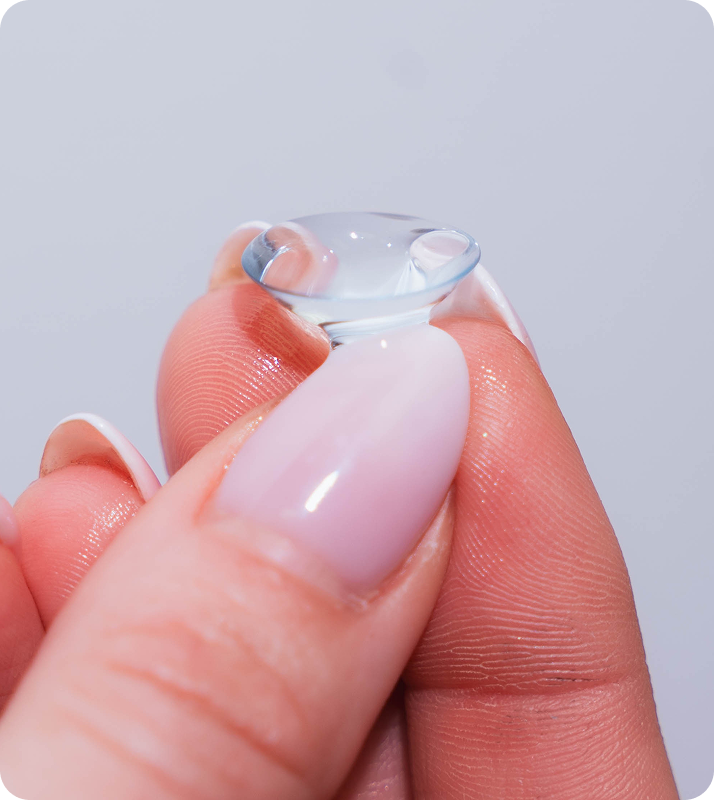
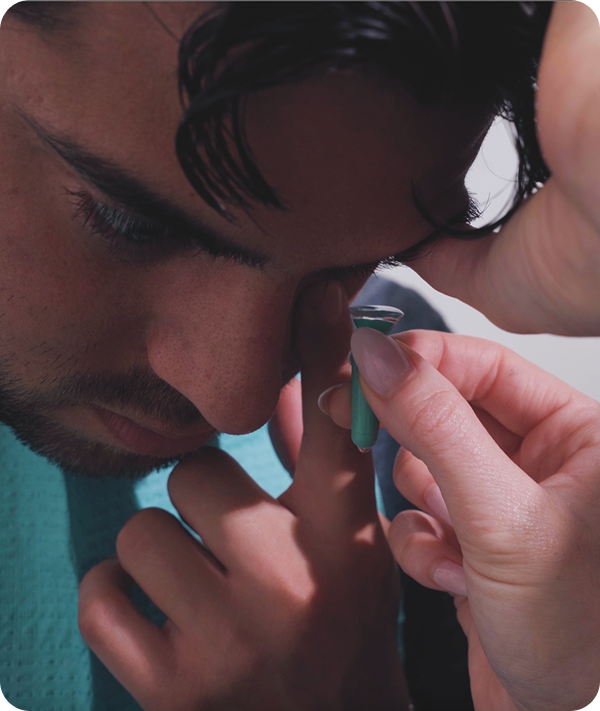
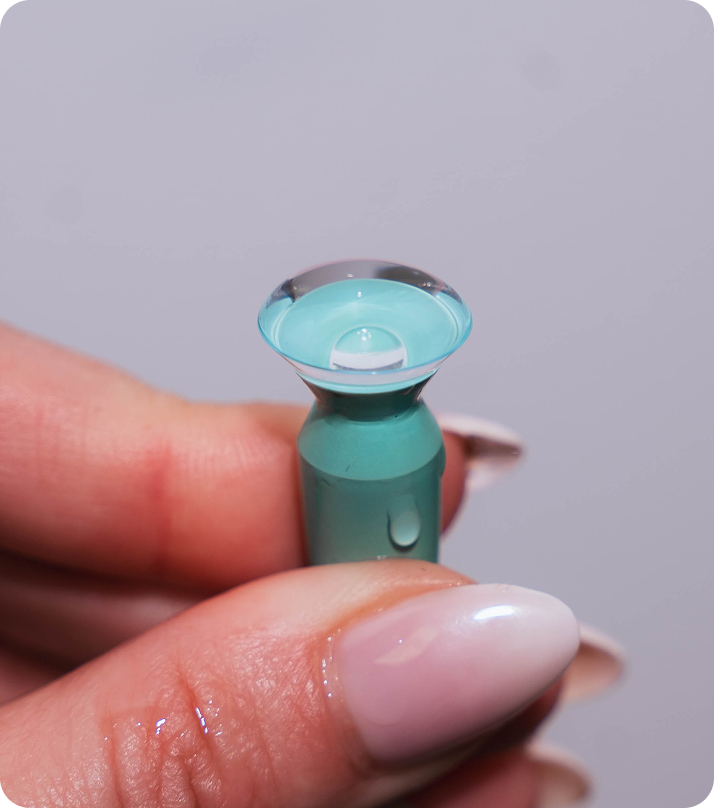
Two myopia management treatments involve daily contact lens wear: MiSight contact lenses and orthokeratology. While both are highly effective, safe contact lens wear requires a commitment from both parents and children. When contact lenses are not cleaned and maintained adequately, there is an increased risk of infections, which can be challenging for very young children.
Atropine eye drops are another management method that can present some challenges because they must be administered consistently, and children may fight against having drops put in their eyes. In addition, atropine provides no vision correction so spectacles and/or contact lenses still need to be used to correct the vision. Poor atropine compliance limits treatment success.
Because Stellest® spectacles work identically to traditional glasses, they may be easier to adapt to than contact lenses, especially if the child has already been wearing spectacles. Stellest® lenses provide a non-invasive myopia control method that has been proven to be well-tolerated by most patients. These advanced glasses are highly effective and have minimized the risk of long-term complications for millions of young patients worldwide.
What Should Parents and Children Expect From Essilor® and Stellest®?
At Miami Contact Lens Institute, we start the Stellest® process with a comprehensive eye exam. We must first assess your child’s current vision, eye health, and lifestyle to determine whether they are a good candidate for Stellest®. We will help your child choose their frame so they are happy with the fit and look of their new glasses. Comfort is important to ensure that the child uses the glasses.
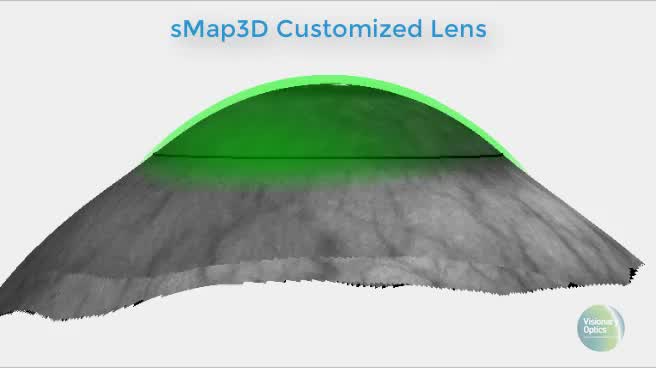
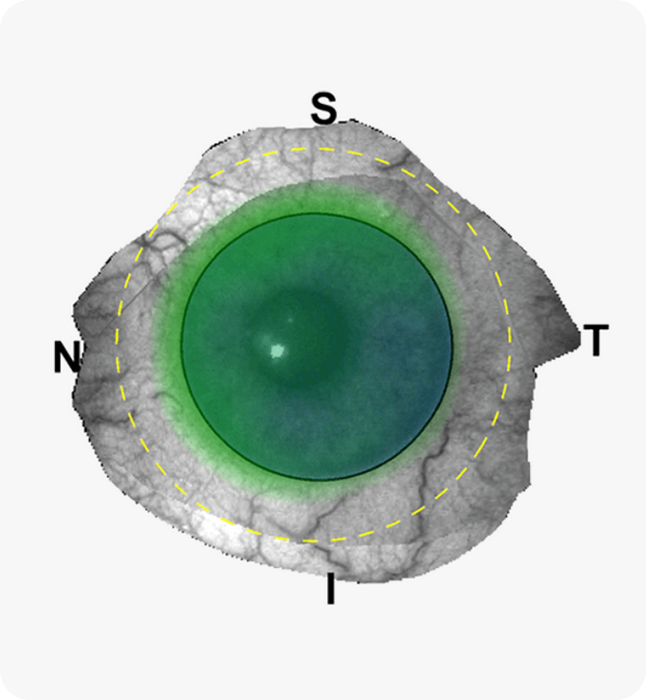
We take precise measurements using advanced digital mapping tools so the Stellest® lenses function optimally. We recommend follow-up visits every three to four months to monitor how your child’s prescription changes and how quickly their eyes grow. If necessary, we may include complementary use of low-dose atropine drops to further slow excessive eye growth and control the risk of associated complications.
How Can Parents Contribute to Myopia Management?
While clinical myopia management methods like Stellest® are powerful tools, we also suggest that parents focus on healthy lifestyle habits. Two hours of outdoor time every day has been shown to benefit children’s vision due to the increased sunlight entering the eyes. In addition, frequent breaks from near work and screen time can reduce visual strain. We teach our patients the 20-20-20 rule: every 20 minutes, focus on something 20 feet away for at least 20 seconds.
Parents can also help their children care for their glasses by cleaning them regularly with lukewarm water and a mild soap. You can teach your child about the importance of their new glasses and how they will keep their eyes safe to help them stay committed to daily wear. Your child may face questions from peers at school, so help them practice how to explain what their glasses do so they don’t feel embarrassed about them.
Expert Eyecare at Miami Contact Lens Institute
Essilor® Stellest® spectacle lenses are an FDA-approved myopia management method that can protect the long-term eye health of myopic children. If you think your child may benefit from Stellest® glasses, contact Miami Contact Lens Institute to schedule a consultation. We are here to help you find the best possible solution for your child that helps them see clearly now and minimizes their risk for vision-threatening conditions in later life.
Request consultation