
You feel like you're seeing just fine. Your glasses still work, your contact lenses feel comfortable, and you haven't noticed anything unusual. So, do you really need another eye exam this year?
The answer depends on your age, eye health, medical history, and whether you wear contact lenses.
Good vision doesn't always mean healthy eyes. Some eye conditions develop slowly, without pain or noticeable changes in vision. Regular eye exams help detect these problems early, when they may be easier to manage.
Here's what you should know about how often to schedule an eye exam and why regular visits are important, even when everything seems fine.
How Often Should You Have an Eye Exam?
There isn't one schedule that works for everyone. Someone who wears contact lenses or has a family history of glaucoma may need more frequent visits than someone with healthy eyes and no known risk factors.
The American Optometric Association (AOA) provides the following general recommendations:
These are general AOA recommendations. Other professional organizations may recommend different intervals for healthy adults. Your eye doctor can help determine the schedule that's right for you.
Eye Exams for Children and Teenagers
Children don't always realize when their vision isn't normal. A child who has never seen clearly may assume everyone sees the same way.
That's why early eye exams are so important.
During childhood, the eyes and visual system are still developing. A comprehensive eye exam can help identify nearsightedness (myopia), farsightedness, astigmatism, lazy eye (amblyopia), and problems with how the eyes work together.
School vision screenings are helpful, but they don't replace a comprehensive eye examination.
Children who are becoming increasingly nearsighted may also benefit from myopia management, which can help slow the progression of their prescription and potentially reduce the risk of certain eye complications later in life.
Eye Exams for Adults Ages 18–39
If you're a healthy adult with no vision complaints or known risk factors, an eye exam every two years is a reasonable general recommendation under AOA guidelines.
However, you may need more frequent visits if you wear contact lenses, have a strong family history of eye disease, or experience changes in your vision.
Even if you've never needed glasses, it's important not to assume your eyes are healthy simply because you see clearly.
Eye Exams for Adults Ages 40–64
Around age 40, many people begin noticing that reading small print isn't as easy as it used to be.
This common change is called presbyopia, and it happens because the eye gradually loses some of its ability to focus on nearby objects.
You might notice yourself holding your phone farther away, needing brighter light to read, or having trouble switching focus between your computer and something across the room.
Your 40s and 50s are also a time when conditions such as glaucoma and cataracts become increasingly important to monitor.
For healthy adults without risk factors, examinations every one to two years are a common approach in optometric care. Your eye doctor may recommend a different interval based on your individual findings.
Eye Exams for Adults 65 and Older
As we age, the risk of developing certain eye conditions increases.
These include cataracts, glaucoma, and age-related macular degeneration, a condition that affects the central part of the retina responsible for sharp, detailed vision.
Annual eye exams are recommended by the AOA for adults 65 and older. Some patients may need more frequent monitoring, particularly if they already have an eye condition.
Do Contact Lens Wearers Need an Eye Exam Every Year?
Yes, contact lens wearers should generally have their eyes examined at least once a year, even if their prescription hasn't changed.
Contact lenses sit directly on the surface of your eyes. Over time, changes in the cornea, tear film, or lens fit can affect how comfortably and safely you wear them.
During a contact lens examination, your eye doctor may check:
- Whether your lenses still fit properly
- Whether your corneas are receiving adequate oxygen
- Signs of dryness, irritation, or inflammation
- Changes in your prescription or corneal health
- Whether your current lenses remain the best option for your eyes
Patients wearing specialty lenses, including scleral lenses and orthokeratology (ortho-K) lenses, may need additional follow-up appointments depending on their condition and treatment.
Even if your contact lenses feel perfectly comfortable, regular examinations are important for maintaining healthy eyes.
Who May Need More Frequent Eye Exams?
Certain medical conditions, family histories, and previous eye problems can increase your risk of developing eye disease.
People With Diabetes
Diabetes can affect the small blood vessels in the retina, the light-sensitive tissue at the back of your eye.
This can lead to diabetic retinopathy, a condition that may cause permanent vision loss if it progresses untreated.
The important thing to understand is that diabetic retinopathy can develop before you notice any changes in your vision.
For adults with diabetes:
- Type 1 diabetes: A first dilated eye exam is generally recommended within five years after diagnosis.
- Type 2 diabetes: A dilated eye exam is recommended at the time of diagnosis.
- Ongoing care: Annual examinations are commonly recommended, although some patients with consistently normal findings and well-controlled diabetes may qualify for longer intervals under their doctor's guidance.
Patients with diabetic retinopathy may need closer monitoring.
People With a Family History of Eye Disease
If a parent or sibling has glaucoma, macular degeneration, or certain inherited retinal conditions, your own risk may be higher.
That doesn't mean you'll develop the same condition. It simply means your eye doctor may recommend additional testing or more frequent examinations.
People With Existing Eye Conditions
If you've already been diagnosed with an eye condition, your follow-up schedule should be based on that condition rather than your age alone.
For example:
- Keratoconus: Monitoring corneal shape and stability
- Glaucoma: Evaluating eye pressure, optic nerve health, and visual field changes
- Dry eye disease: Assessing the tear film, ocular surface, and response to treatment
- Macular degeneration: Monitoring changes in the central retina
- Cataracts: Evaluating how changes in the natural lens affect vision
Some conditions require visits every few months, while others can be monitored less frequently.
People Who Have Had Eye Surgery or an Eye Injury
Previous LASIK, PRK, cataract surgery, corneal surgery, or a significant eye injury can change your long-term eye care needs.
Even if your vision improved after surgery, regular eye examinations remain important.
Why Are Eye Exams Important If You Have 20/20 Vision?
One of the biggest misconceptions about eye health is that seeing clearly means your eyes are healthy.
20/20 vision tells us how clearly you can see at a particular distance. It doesn't tell us everything about the health of your eyes.
You can have excellent vision and still have early signs of certain eye diseases.
Some Eye Diseases Have No Early Symptoms
Glaucoma is a good example.
Glaucoma damages the optic nerve, which carries visual information from the eye to the brain. In many cases, this damage happens gradually and without pain.
Although elevated eye pressure is an important risk factor, glaucoma can also occur in people with normal eye pressure.
By the time someone notices missing areas in their vision, significant damage may already have occurred.
Regular eye examinations allow your doctor to look for changes in the optic nerve and determine whether additional testing is necessary.
Your Prescription Can Change Gradually
Sometimes vision changes happen so slowly that you don't notice them.
You may start squinting at road signs, experiencing headaches after working on your computer, or holding reading material farther away.
An eye exam can determine whether these symptoms are related to your prescription, eye focusing, dry eyes, or another issue.
Your Eyes Can Reveal Signs of Other Health Problems
The eyes offer a unique opportunity to examine blood vessels and nerve tissue directly.
During a comprehensive eye exam, certain findings may suggest underlying health conditions, including diabetes or high blood pressure.
An eye examination doesn't replace routine medical care, but it can provide valuable information about your overall health.
What Can a Comprehensive Eye Exam Detect?
A comprehensive eye exam evaluates much more than whether you need glasses.
Depending on your age, symptoms, and risk factors, your eye doctor may look for several common conditions.
Refractive Errors
Nearsightedness, farsightedness, and astigmatism affect how light focuses inside your eyes.
These conditions can cause blurry vision, headaches, squinting, or eye strain. A refraction helps determine whether glasses or contact lenses can improve your vision.
Glaucoma
Glaucoma is a group of conditions that damage the optic nerve and can lead to irreversible vision loss.
Your doctor may evaluate your eye pressure, optic nerve appearance, and other risk factors. Additional tests, such as optical coherence tomography (OCT) or visual field testing, may be recommended when appropriate.
Cataracts
A cataract occurs when the eye's natural lens becomes cloudy.
As cataracts develop, you may notice blurry vision, increased glare from headlights, difficulty driving at night, or colors appearing less vibrant.
Cataracts often develop slowly, and regular eye exams help monitor their progression.
Retinal and Macular Conditions
The retina is the tissue at the back of your eye that detects light. The macula is the part of the retina responsible for detailed central vision.
A comprehensive eye exam can help identify changes associated with macular degeneration, retinal disease, and other conditions that may affect your sight.
Dry Eye Disease
Dry eye disease is more than simply not producing enough tears.
It can also occur when tears evaporate too quickly or when inflammation affects the ocular surface.
Symptoms may include burning, watering, fluctuating vision, redness, or a gritty sensation.
An examination can help identify possible causes and determine whether additional testing or treatment is appropriate.
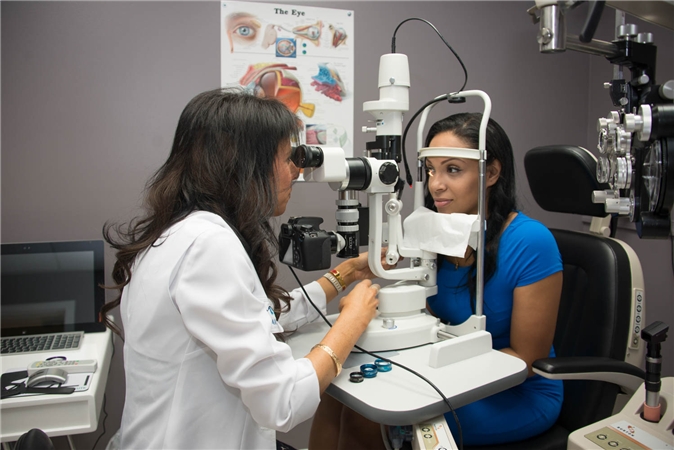
What Happens During a Comprehensive Eye Exam?
If it's been a while since your last eye exam, you may be wondering what to expect.
At Miami Contact Lens Institute, Dr. Elise Kramer provides comprehensive eye examinations tailored to each patient's vision and eye health needs.
1. Reviewing Your Medical and Eye History
Your visit begins with a discussion of your vision, symptoms, medications, medical history, and any previous eye conditions or surgeries.
Your family history is also important, particularly if relatives have been diagnosed with glaucoma or other eye diseases.
2. Checking Your Vision
Your doctor will evaluate how clearly you see and determine whether your glasses or contact lens prescription needs updating.
Additional testing may assess how your eyes focus, move, and work together.
3. Examining the Health of Your Eyes
Using specialized instruments, your doctor examines the structures at the front of your eyes, including the cornea and natural lens.
Your eye pressure and the health of your optic nerves and retinas are also evaluated.
Dilating drops or additional imaging may be recommended to examine certain structures more thoroughly.
4. Additional Testing When Needed
Not everyone needs the same tests.
If you have dry eyes, keratoconus, glaucoma risk factors, or wear specialty contact lenses, your examination may include additional testing specific to your needs.
The goal is to identify concerns early and develop an appropriate plan for maintaining your eye health.
When Should You See an Eye Doctor Before Your Next Scheduled Exam?
You should never wait for your next routine appointment if you experience a sudden or concerning change in your eyes.
Seek prompt medical attention for symptoms such as:
- Sudden loss of vision or a significant decrease in vision
- New flashes of light or a sudden increase in floaters
- A dark curtain or shadow moving across your vision
- Significant eye pain
- A painful, red eye, particularly if you wear contact lenses
- An eye injury or chemical exposure
- Persistent redness, discharge, or worsening discomfort
Sudden vision loss, a curtain-like shadow, or new flashes and floaters can indicate an eye emergency and require urgent evaluation. Chemical injuries also require immediate irrigation and emergency care.
Even if symptoms seem minor, it's better to have them evaluated than to risk delaying necessary treatment.
Schedule Your Eye Exam at Miami Contact Lens Institute
So, do you need an eye exam every year?
For many patients, annual eye examinations are a practical way to stay on top of their vision and eye health. Others may safely follow a different schedule depending on their age, medical history, and individual risk factors.
The most important thing is to have a recommended examination schedule rather than waiting until something feels wrong.
At Miami Contact Lens Institute, Dr. Elise Kramer provides comprehensive eye care as well as specialized services for patients with dry eye disease, keratoconus, and complex contact lens needs.
Whether you're due for a routine examination or have concerns about your vision, our team can help you understand your eye health and determine the next steps.