
Being able to see well, for most, is essential to performing the activities of day to day life. Good vision contributes to overall well-being and independence for people of all ages. For those with imperfect but correctable vision, many options can help to improve sight. These options most commonly include glasses, contact lenses, or laser surgery. Deciding which option is best for you depends on your eyes, lifestyle, and budget—and should be discussed with an eye doctor.Wearing contact lenses has many potential benefits. To get the most out of your contact lens-wearing experience, be sure to always practice healthy habits and remember that all types of contact lenses—even cosmetic lenses that don’t correct vision but change the color or look of the eye—are medical devices that need to be prescribed by an eye doctor.
See well.
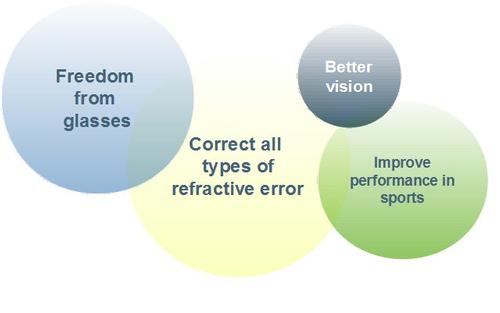
- Contact lenses correct most vision problems , including:
- Near-sightedness (myopia): blurred vision far away
- Far-sightedness (hyperopia): blurred vision close up
- Astigmatism: blurred vision both far away and close up
- Presbyopia: blurred vision close up in aging adults
- Contact lenses move with the eye for vision correction that can feel and look natural.
- Some studies have shown that specially fitted contact lenses may help slow the progression of near-sightedness in children and teens, although they are not currently approved by the U.S. Food and Drug Administration for this purpose .
Feel well.
- The variety of contact lens materials and replacement schedules available allows eye doctors to select the best option for an individual’s eyes, lifestyle, and budget.
- Contact lenses allow individuals to maintain a natural appearance without glasses or, if they choose, to change the appearance of their eyes with colored contact lenses.
- Children, teens, and adults who wear contact lenses report feeling better about their physical appearance and ability to engage in sports and recreational activities compared to those who wear glasses.
Play well.
- Well-fitting contact lenses stay in place on the eyes and improve peripheral (side) vision during sports and activities.
- Contact lenses do not fog up like glasses when outdoors, in low temperature work environments, or playing sports.
- Contact lens wearers can use non-prescription UV-blocking sunglasses to protect their eyes from the sun. Some types of contact lenses can provide extra UV protection—although they are not a substitute for sunglasses.