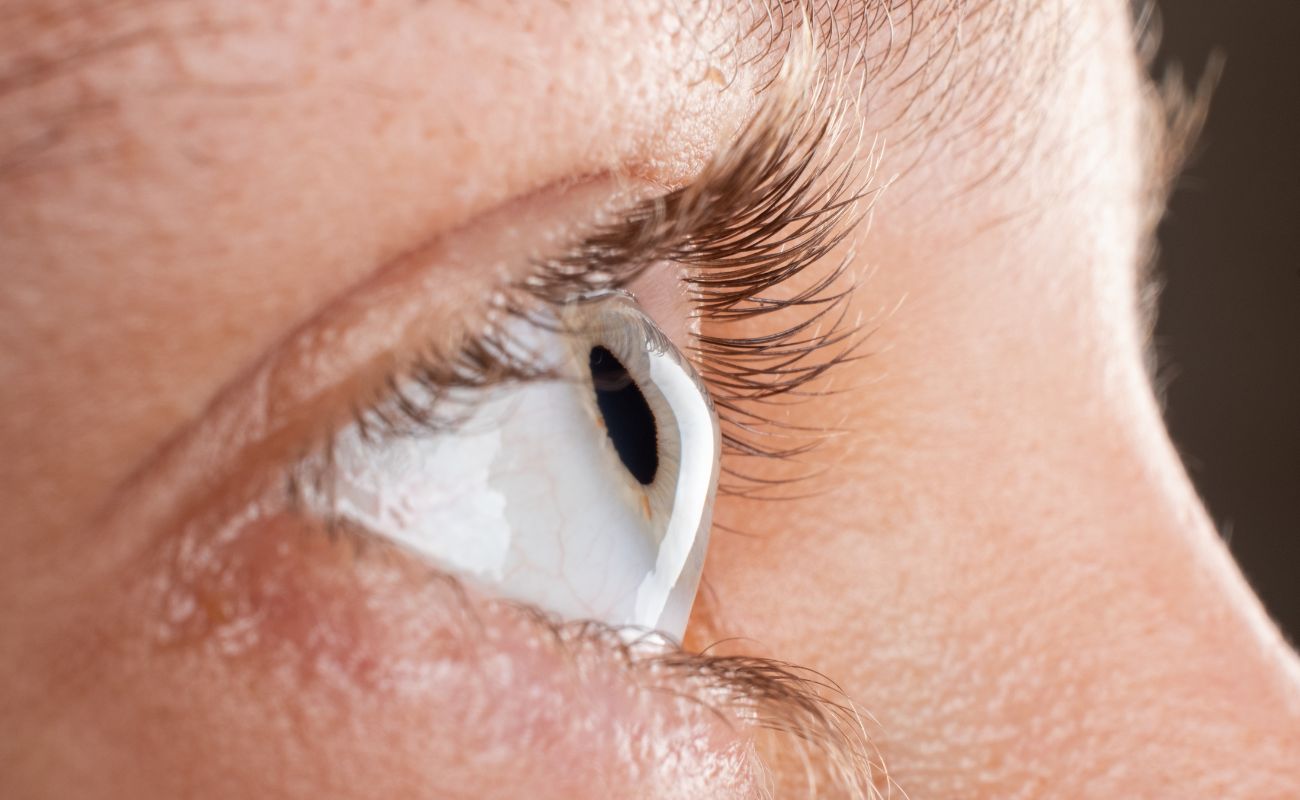

A team of scientists has found that rapid eye movements could provide an objective way to measure fatigue in people who work long hours.Also called saccadic movements, these mostly voluntary eye movements help us fix our eyes on objects that attract our attention.In the study, the scientists evaluated the performance of doctors from the Traumatology Service at St. Joseph’s Hospital and Medical Centre in Phoenix, before and after their “call-day,” which is a 24-hour shift during which the doctors don’t sleep.After these long shifts, the speed of their saccadic movements was reduced as they felt more fatigued.Fortunately, when the physicians performed simulated laparoscopic tests after their shifts, their performance was not affected significantly by their fatigue. It’s probable that fatigue is not the sole contributor to errors committed on the job. Still, measuring eye movements might be a good way to determine whether physicians, truck drivers, subway operators, ship captains and other vital workers are not getting enough sleep.An article about the study appeared in Annals of Surgery.Source: AllAboutVision


OD · FAAO · FSLS · FBCLA

Bascom Palmer Trained

Scleral Lens Specialist
5.0 Google
Founder | Miami Contact Lens
Dr. Elise Kramer
Doctor of Optometry (OD), FAAO, FSLS, FBCLA
Dr. Elise Kramer is a residency-trained optometrist at the Miami Contact Lens Institute, specializing in ocular surface disease and the design and fitting of specialty contact lenses, including scleral and orthokeratology lenses. She earned her Doctorate in Optometry from the Université de Montréal and completed her residency at the Miami VA Medical Center, with training at the renowned Bascom Palmer Eye Institute.
Suscríbase a nuestro boletín
¡Uy! Algo salió mal al enviar el formulario.