

Graft versus Host Disease (GvHD) is a medical condition that sometimes occurs in patients who have undergone a transplant. It is most common following bone marrow or stem cell transplants. In GvHD, the immune cells of the donor tissue or non-native tissue (the graft) start to attack the host tissue. The graft tissue does not recognize the host’s tissues and interprets them as a threat, initiating a battle between the graft and the host.While Graft versus Host Disease (GvHD) is a broad medical complication with a range of possible symptoms, many of its symptoms affect the patient’s eyes and ocular health. In this post, we will explain the science of GvHD, the symptoms of this condition, and possible treatments for eye-related GvHD conditions.
About Graft versus Host Disease
GvHD is common in patients who have undergone an allogeneic stem cell transplant. This transplant involves stem cells (often, bone marrow for cancer treatment) that are collected from a matching host or donor and transplanted into a patient. This stem cell treatment is different from an autologous stem cell treatment, in which doctors utilize stem cells from the patient’s own body rather than a donor.Ideally, allogeneic stem cell transplants should boost the patient’s immune system to fight a debilitating disease. In about half of all allogeneic transplants, the host (or patient) develops chronic Graft versus Host Disease.Part of the problem is that GvHD’s emergence reflects some positive transplant effects. As with any autoimmune disorder, GvHD brings about multiple negative symptoms which, depending on the patient and the case of GvHD, can range from mild to life-threatening. At the same time, doctors often find it encouraging to see that the donor’s immune cells are starting to attack the patient’s healthy cells. This cellular activity is a sign that the graft immune cells are still active and responsive, which means that they should also help the patient’s body to fight off any remaining cancer cells. As a result, there are situations in which doctors will not treat GvHD; the good (donor immune cells destroying cancer cells) outweighs the bad (symptoms of GvHD in the patient).Graft versus Host Disease can affect many different parts of the body. Typically, the first symptoms manifest on the skin as itchy rashes on the hands and feet. The condition also impacts the digestive system, often resulting in nausea, vomiting, and diarrhea. These problems with digestion can affect the liver, which may accumulate a large amount of extra waste, resulting in jaundiced eyes and skin for the patient.
GvHD and Your Ocular Health
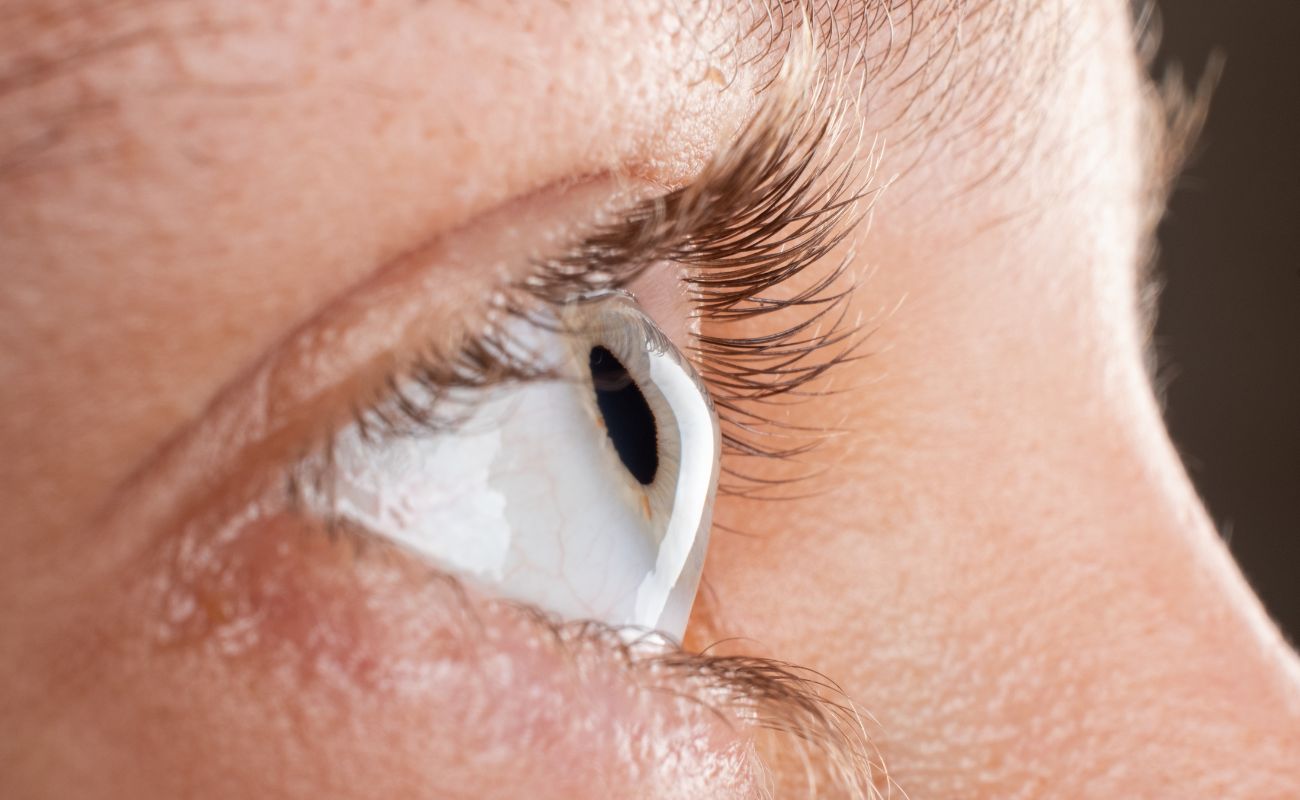
While GvHD dry skin and rashes usually impact the palms and the soles of the feet first, they can manifest throughout the body, including as dryness in the mouth. The ocular complications of GvHD usually result from this same dryness. Many patients develop chronic dry eyes and experience a great deal of itchiness or irritation of the eyes. In turn, these issues can result in more severe ocular symptoms, including burning of the eyes, blurry vision, acute sensitivity to light, and pink eye.Patients struggling with chronic GvHD can benefit from a wearing scleral lenses. These lenses sit on the white of the eye (the sclera) and vault over the eye, with a chamber of saline solution filling the chamber between the eye and the lens. This design helps to keep the eyes hydrated and lubricated while the lenses are worn.If you are dealing with GvHD complications that have caused severe dry eye symptoms, Miami Contact Lens Institute can help. We understand scleral lenses and other specialty contact solutions, and we have worked with many GvHD patients to promote greater comfort. Contact us today to schedule an appointment.