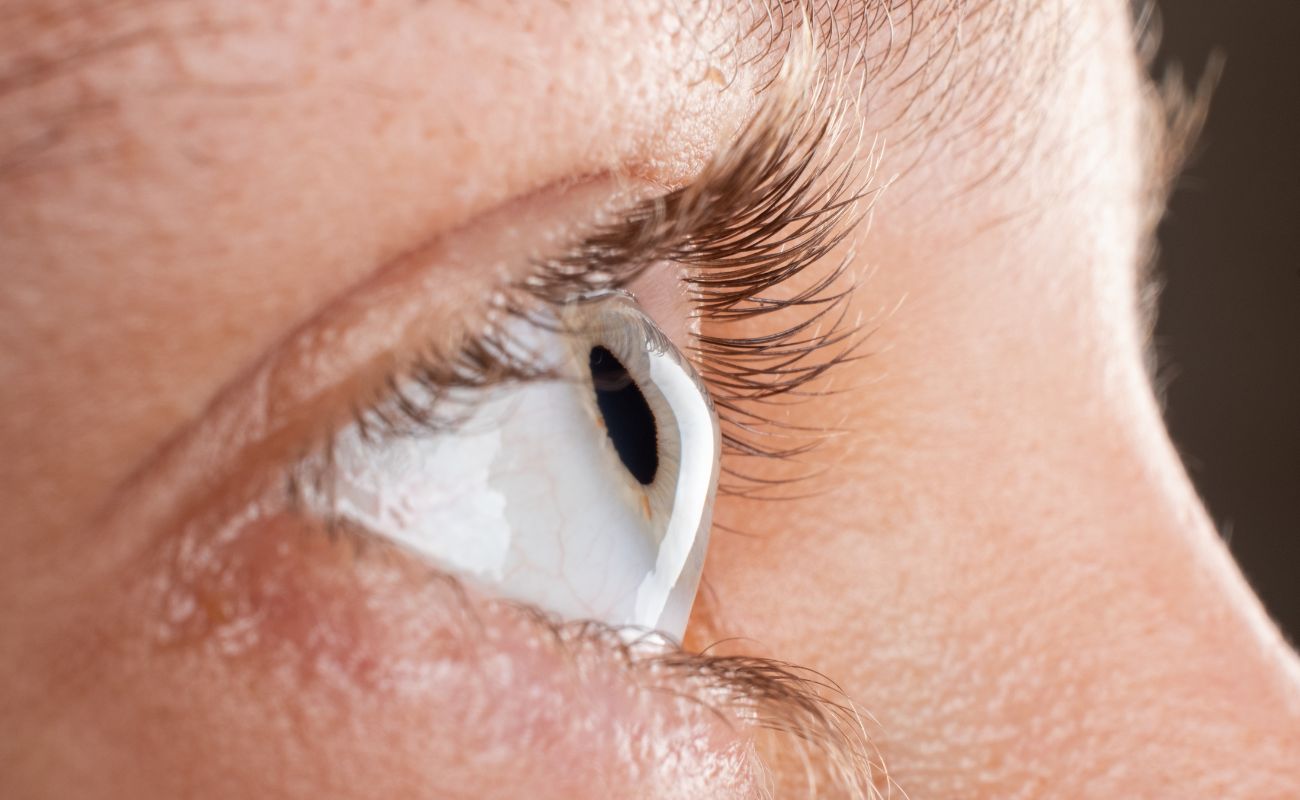


Diabetes can lead to a wide variety health complications, including heart disease, nerve damage, stroke, kidney disease, and vision loss. In fact, diabetes is the leading cause of blindness among working-age Americans. Diabetes is a risk factor for developing glaucoma, as well as for developing cataracts, but the most common and debilitating vision problem experienced by diabetics is diabetic retinopathy.Today 3.6 million Americans ages 40 and older suffer from the diabetic retinopathy. DuringDiabetic Eye Disease Month Friends for Sight encourages individuals with diabetes to take preventative measures and protect their eyes from the devastating effects of diabetes.
As described by the National Eye Institute, “[diabetic retinopathy] in its early stages, has no symptoms. The disease begins to damage the small blood vessels in the retina, the light-sensing layer of tissue in the back of the eye, causing them to leak fluid and blood. As the disease progresses, blood vessels become blocked and rupture or new vessels grow on the retina, leading to permanent and sometimes profound vision loss.” While the effects of diabetic retinopathy are (profound), there are effective treatments available.Vision loss can be prevented if early diagnosis and timely treatment are sought.While treatments are available, they are significantly more effective when the disease is detected early. A comprehensive eye examinationby an eye care professional should be completed yearly. In addition to yearly eye exams, those with diabetes must control their blood sugar levels, get plenty of exercise, eat a healthy well-balanced diet, and take medications as directed.